
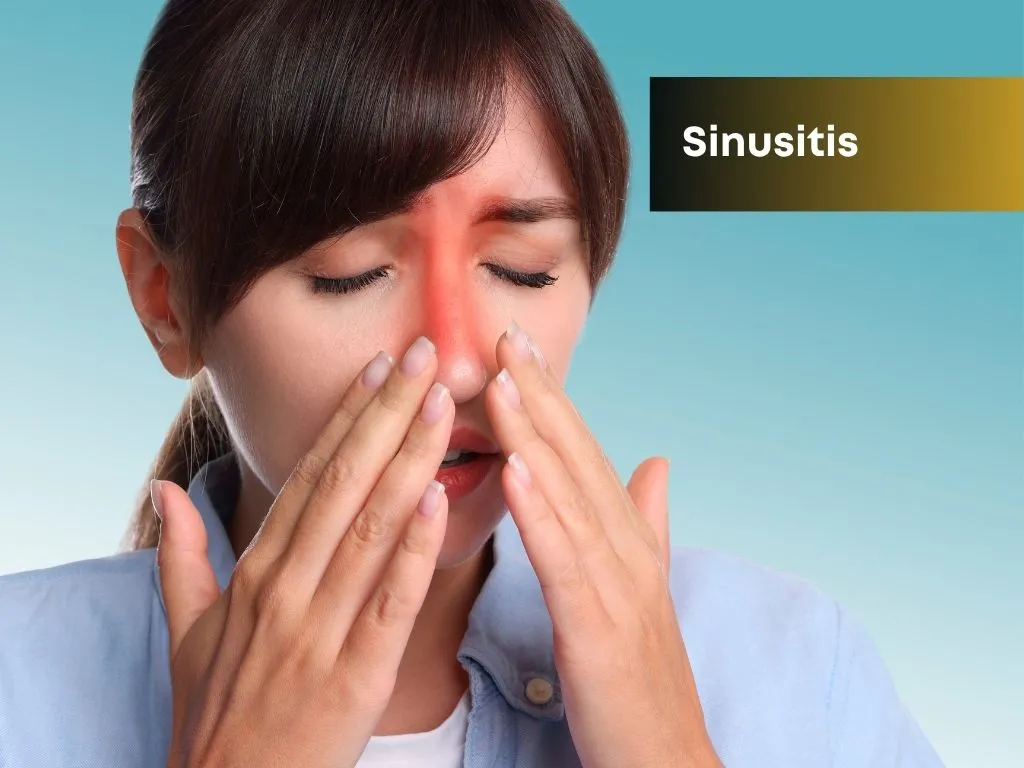
Sinusitis
-
 Nalamaree Team
- 06 October 2025
Overview
Can be viral, bacterial, or fungal in origin. Chronic sinusitis may be linked to allergies or nasal blockages.
Causes
- Viral or bacterial infections
- Nasal polyps or deviated septum
- Allergies (pollen, dust mites)
- Fungal infections in immunocompromised
Symptoms
- Nasal congestion or discharge
- Headache, pressure around eyes
- Facial pain or swelling
- Postnasal drip, cough
- Reduced sense of smell
Treatment: Modern Medicine
- Diagnosis: Nasal endoscopy, CT scan
- Treatment:
- Decongestants, antihistamines
- Antibiotics (for bacterial cases)
- Nasal steroid sprays
- Functional Endoscopic Sinus Surgery (FESS) for chronic cases
Treatment: Traditional Medicine
- Ayurveda: Nasya therapy (medicated nasal drops), Anu taila, Sitopaladi churna
- Siddha: Steam inhalation (Suranam) and herbal oils
- Unani: Irrigation with herbal decoctions; Roghan Baboona
- TCM: Xanthium and Magnolia flower for sinus drainage
- Homeopathy: Kali bichromicum, Pulsatilla
- Nutraceuticals: Zinc, Vitamin C, Bromelain, Quercetin
Caution
- Avoid frequent use of nasal sprays
- Treat allergies early to prevent chronic sinusitis
Prevention
- Hydration and humidity in living space
- Allergy control
- Avoid irritants like smoke, dust










.jpg.webp)