post-thumb

Lung infection (Pneumonia)

Overview

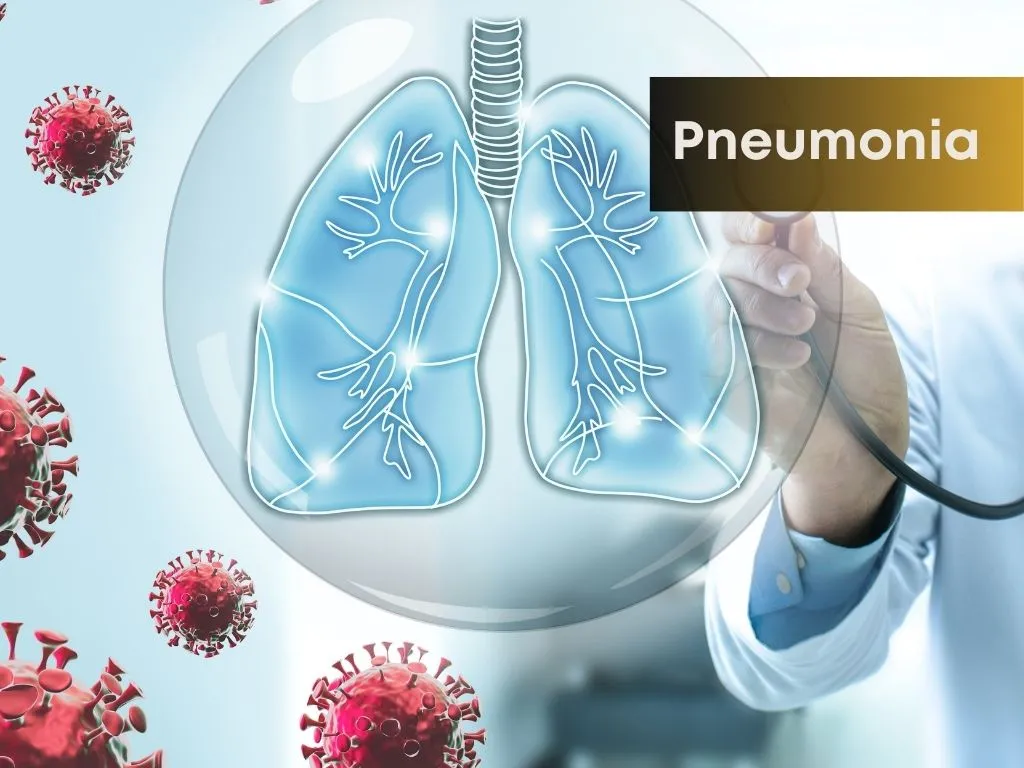
Pneumonia is a common respiratory infection that affects the lungs. It can be caused by various microorganisms such as bacteria, viruses, fungi, or parasites. When someone has pneumonia, the air sacs in the lungs, known as alveoli, become inflamed and filled with fluid or pus, making it difficult for oxygen to reach the bloodstream.

Causes

  • Bacteria
  • Viruses
  • Fungi
  • Aspiration
  • In addition to infectious agents, certain risk factors can increase the developing pneumonia, including:

  • Age
  • Weak immune system 
  • Chronic lung diseases 
  • Smoking
  • Recent respiratory infections
  • Exposure to pollutants or environmental irritants
  • Symptoms

    Common signs and symptoms that may indicate the presence of pneumonia. These include:

  • Cough
  • Fever
  • Difficulty breathing
  • Chest pain
  • Fatigue
  • Bluish tint to the lips or nails
  • Confusion or changes in mental status
  • Nausea, vomiting, or diarrhea
  • Treatment: Modern Medicine

  • Antibiotics
  • Antiviral medications
  • Antifungal medications
  • Treatment: Traditional Medicine

  • Hydration
  • Steam inhalation
  • Warm compresses
  • Rest
  • Herbal remedies
  • Honey
  • Proper nutrition
  • Gargling: Gargling with warm salt water.
  • Caution

  • Avoid spreading the infection
  • Monitor for complications
  • Seek medical attention
  • Prevention

    Here are some preventive measures that can help reduce the risk of pneumonia:

    1. Vaccination: Vaccination is one of the most effective ways to prevent certain types of pneumonia. 

    • Pneumococcal vaccine
    • Influenza vaccine
    • COVID-19 vaccine

    2. Good hygiene practices

    • Wash your hands frequently 
    • Use alcohol-based hand sanitizers if soap and water are not available.
    • Avoid close contact with sick individuals
    • Cover your mouth and nose with a tissue when coughing or sneezing

    3. Quit smoking

    4. Avoid air pollution

    Related Diseases

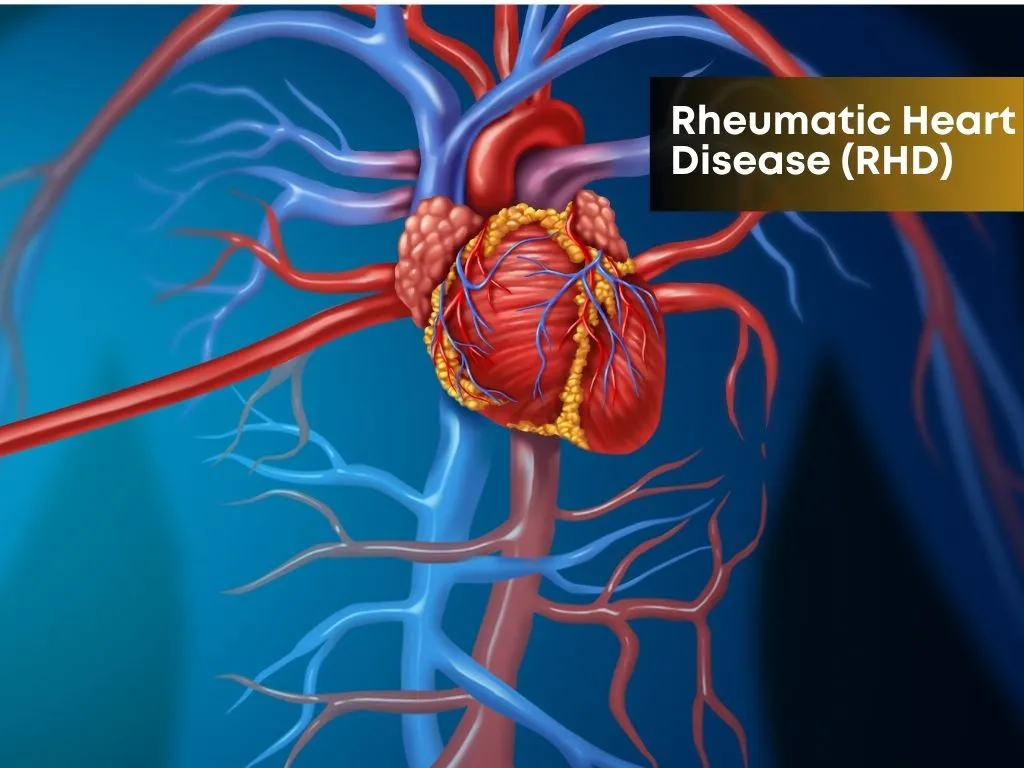
    RHD is long-term heart valve damage caused by untreated or repeated episodes of rheumatic fever following a streptococcal throat infection.

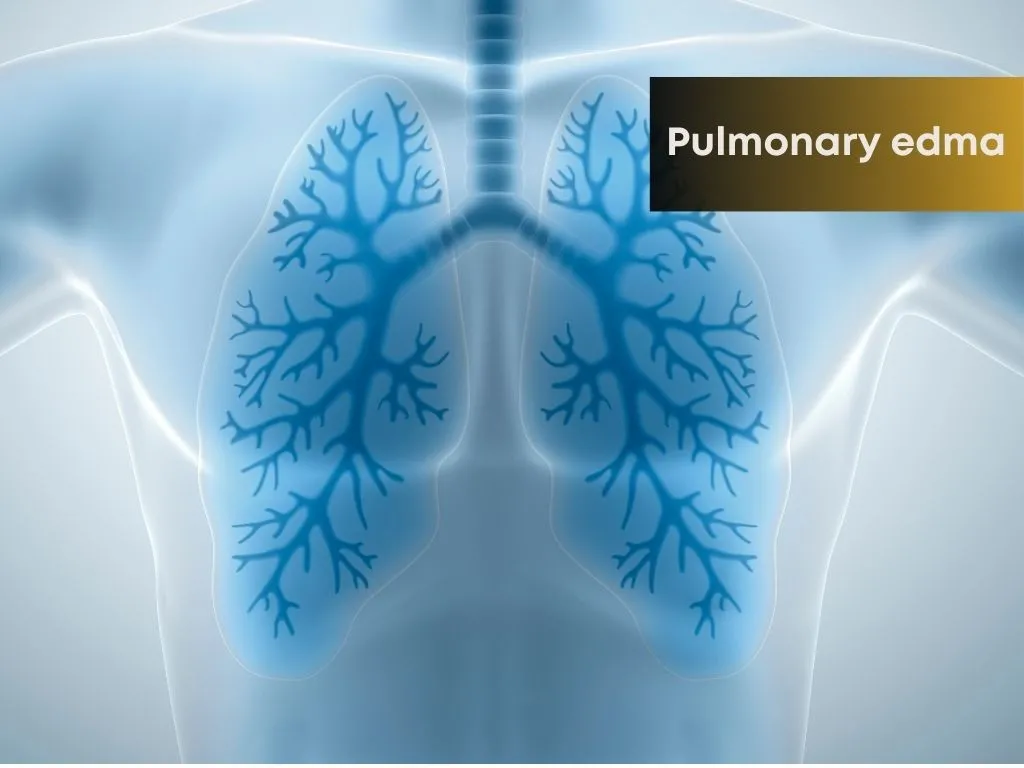
    Pulmonary edema is a condition caused by excess fluid accumulation in the lungs. This fluid buildup can impair the ability of the lungs to oxygenate blood properly, leading to symptoms such as shortness of breath.

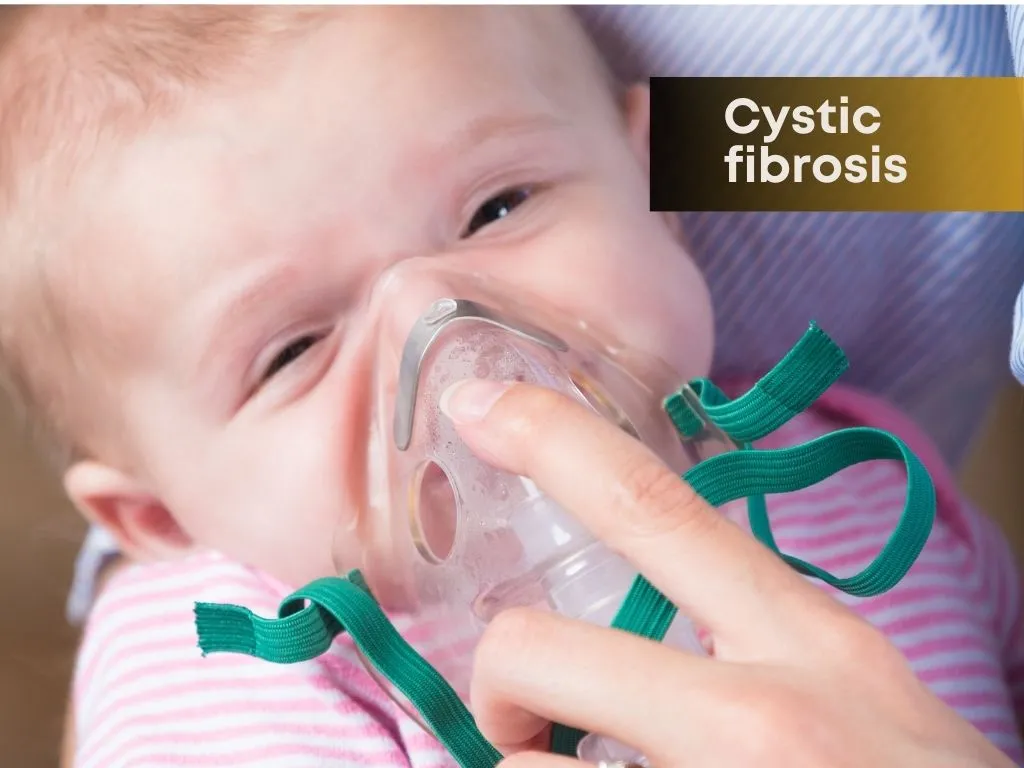
    Cystic fibrosis is a chronic condition that requires lifelong management, including medications to thin mucus, antibiotics to treat infections, and therapies to help clear mucus from the lungs.

    Disclaimer: The information provided on this platform is for informational and educational purposes only. It is not intended to substitute professional medical advice, diagnosis, or treatment. Individuals should always seek the guidance of a qualified healthcare professional, such as a physician, doctor, or nutritionist, before making any health-related decisions.

    Subscribe to our top stories.


    © 2025 Nalamaree. All rights reserved.