
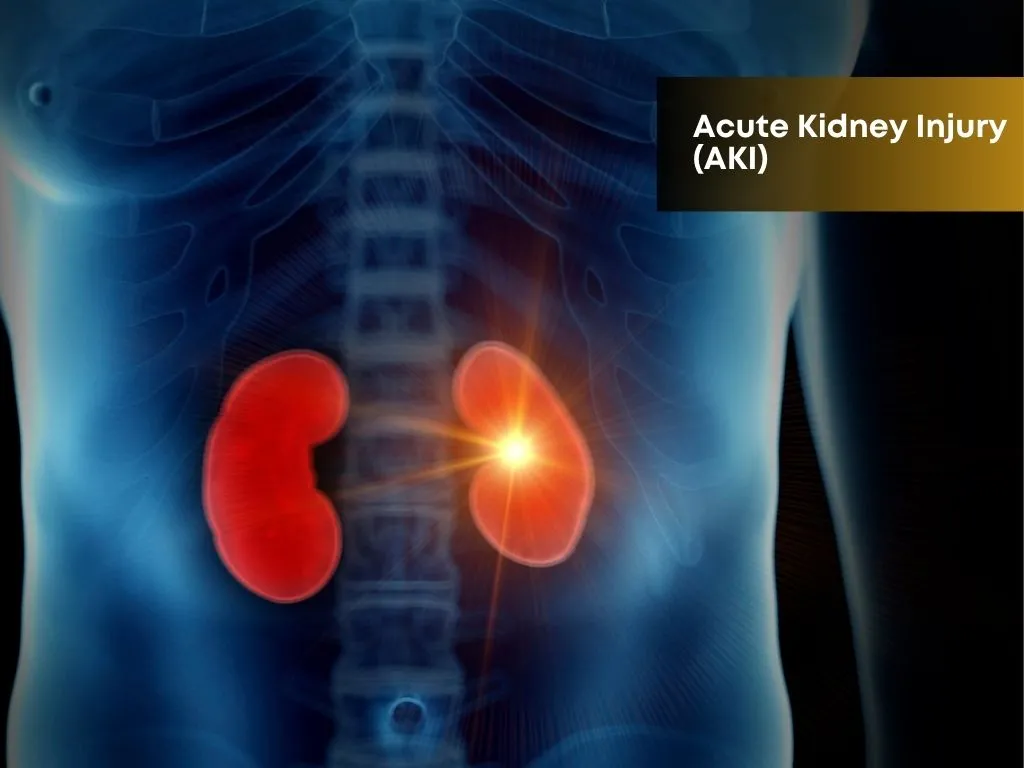
Acute Kidney Injury (AKI)
-
 Nalamaree Team
- 22 September 2025
Overview
AKI is common in hospitalized or critically ill patients and can be triggered by infection, dehydration, medications, or obstruction.
Causes
- Severe dehydration or blood loss
- Sepsis or severe infections
- Medications (NSAIDs, ACE inhibitors, contrast dyes)
- Obstruction (kidney stones, prostate enlargement)
Symptoms
- Sudden decrease in urine output
- Swelling in legs, ankles
- Fatigue, confusion
- Nausea, shortness of breath
- High blood pressure
Treatment: Modern Medicine
- Diagnosis: Serum creatinine, blood urea, urine output, imaging
- Treatment:
- Identify and treat the cause (e.g., infection, fluid loss)
- IV fluids or dialysis (if severe)
- Stop nephrotoxic drugs
- Electrolyte monitoring (especially potassium)
Treatment: Traditional Medicine
- Ayurveda: Punarnava, Varunadi kwath, Gokshura for diuresis
- Siddha: Sirukanpeelai, Neer mulli for kidney cleansing
- Unani: Habb-e-Mudir, Jawarish Zarooni
- TCM: Rehmannia, Cordyceps for kidney yin deficiency
- Homeopathy: Apis mel, Arsenicum album (supportive)
- Nutraceuticals: NAC, Omega-3, CoQ10, Vitamin D (under supervision)
Caution
- AKI can progress to chronic kidney disease if not treated
- Avoid overuse of painkillers (NSAIDs)
Prevention
- Stay hydrated, especially during illness
- Monitor kidney function with risky medications
- Control diabetes, blood pressure


















.jpg.webp)