post-thumb

Erectile Dysfunction

Overview

Erectile dysfunction , also known as impotence, is a condition characterized by the inability to achieve or maintain an erection firm enough for sexual intercourse. It can occur intermittently or persistently and can be caused by various factors, including physical, psychological, or a combination of both.

Causes

Physical causes of erectile dysfunction may include:

  • Cardiovascular diseases
  • Diabetes
  • Neurological disorders
  • Hormonal imbalances
  • Medications
  • Psychological factors that can contribute to erectile dysfunction include:

  • Stress
  • Anxiety
  • Depression
  • Relationship issues
  • Symptoms

  • Difficulty achieving an erection
  • Difficulty maintaining an erection
  • Reduced sexual desire
  • Premature ejaculation
  • Delayed ejaculation
  • Reduced rigidity of erections
  • Psychological distress
  • Treatment: Modern Medicine

  • Counseling or therapy
  • Oral medications
  • Vacuum erection devices
  • Penile implants
  • Hormone therapy
  • Treatment: Traditional Medicine

     Here are some traditional and home remedies that may be beneficial:

  • L-arginine
  • Panax ginseng
  • DHEA (Dehydroepiandrosterone)
  • Yohimbe
  • Herbal supplements
  • Caution

  • Underlying health conditions
  • Unrealistic expectations
  • Self-treatment
  • Prevention

  • Healthy diet
  • Regular exercise
  • Weight management
  • Limiting alcohol and tobacco use

  • Related Diseases

    Motion sickness is caused by conflicting signals between the inner ear, eyes, and body, leading to nausea and dizziness during travel.

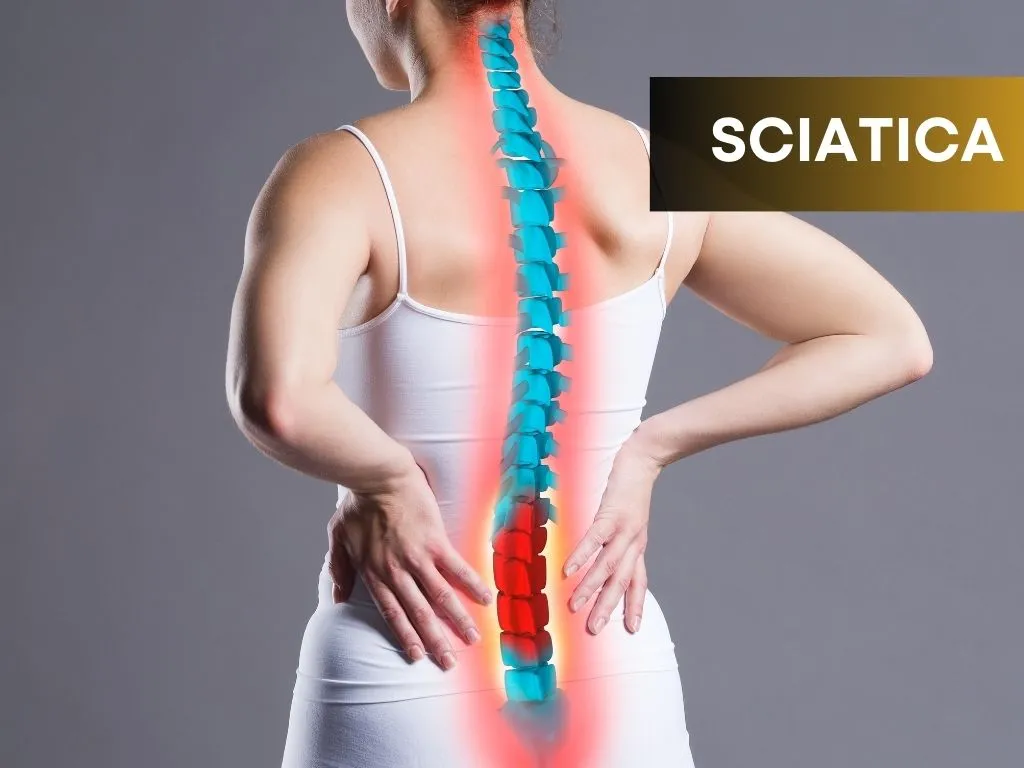
    A prolapsed or herniated disc occurs when the soft cushion between vertebrae slips out, pressing on nearby nerves, often causing back pain and sciatica.

    Hepatitis B is a viral infection affecting the liver, caused by the Hepatitis B Virus (HBV). It can be acute or chronic and may lead to liver cirrhosis or liver cancer.

    Disclaimer: The information provided on this platform is for informational and educational purposes only. It is not intended to substitute professional medical advice, diagnosis, or treatment. Individuals should always seek the guidance of a qualified healthcare professional, such as a physician, doctor, or nutritionist, before making any health-related decisions.

    Subscribe to our top stories.


    © 2025 Nalamaree. All rights reserved.