Overview
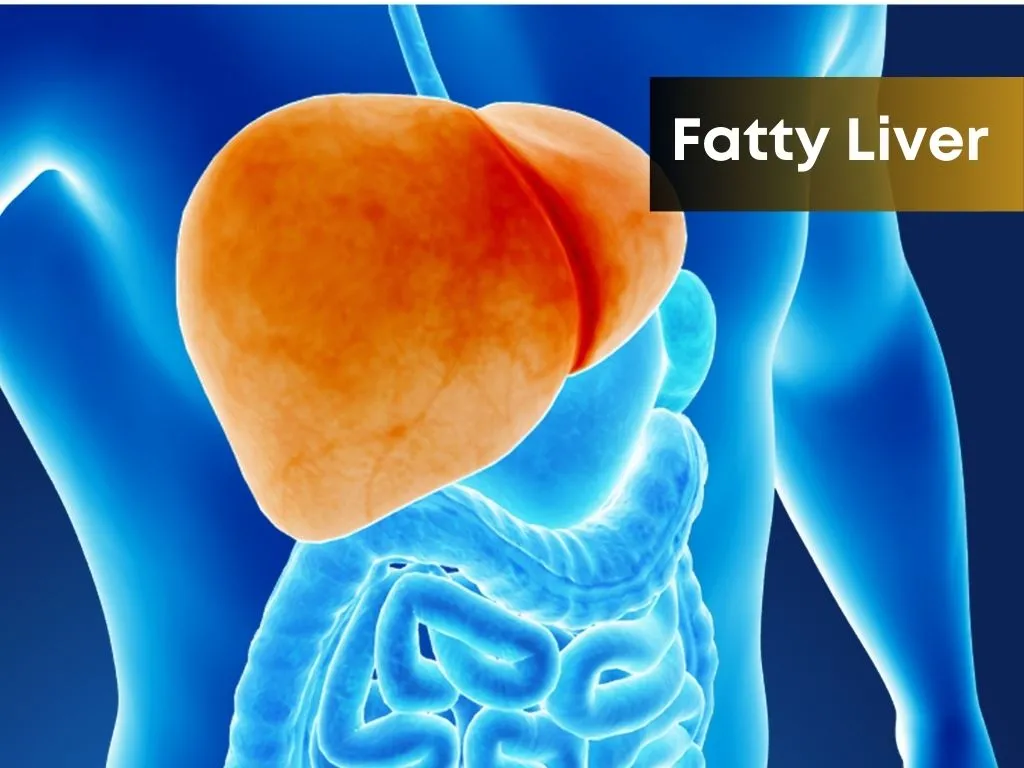
Fatty liver disease, also known as hepatic steatosis, is a condition where excess fat builds up in the liver. This can happen due to various reasons, including alcohol consumption, obesity, insulin resistance, high levels of triglycerides in the blood, and certain medications.
There are two main types of fatty liver disease:
Non-alcoholic fatty liver disease (NAFLD)Alcoholic fatty liver disease
Causes
The main causes of fatty liver disease, both non-alcoholic and alcoholic, include:
ObesityInsulin resistance and Type 2 DiabetesHigh levels of triglycerides in the bloodPoor dietExcessive alcohol consumptionGeneticsRapid weight lossCertain medicationsOther medical conditions
Symptoms
FatigueWeaknessPain or DiscomfortWeight LossEnlarged LiverJaundiceAscitesSpider VeinsEasy BruisingConfusion or Mental Changes
Treatment: Modern Medicine
Medications: In some cases, medications may be prescribed to help manage fatty liver disease or its underlying causes. These may include:
Insulin SensitizersLipid-Lowering MedicationsAntioxidants
Treatment: Traditional Medicine
Dietary Modifications:
Milk ThistleTurmericGreen TeaOmega-3 Fatty AcidsApple Cider Vinegar
Herbal Remedies:
DandelionLicorice RootSchisandra
Caution
Progression to more serious liver diseaseIncreased risk of cardiovascular diseaseIncreased risk of type 2 diabetesComplications During SurgeryDrug and Alcohol InteractionsLiver Failure and TransplantationPregnancy Complications
Prevention
Weight LossHealthy DietRegular ExerciseLimit Alcohol Consumption

 Nalamaree Team





.jpg.webp)