
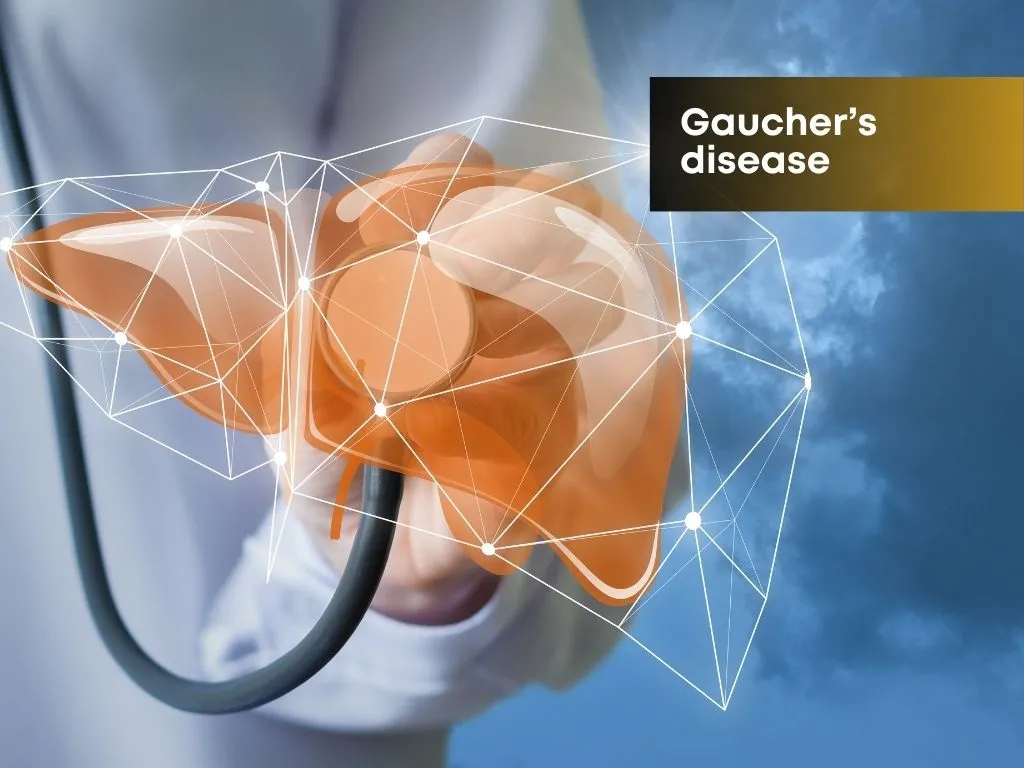
Gaucher’s disease
-
 Nalamaree Team
- 23 September 2025
Overview
Gaucher disease is a rare genetic disorder characterized by the deficiency of an enzyme called Glucocerebrosidase. This enzyme normally breaks down a fatty substance called Glucocerebroside, which is present in cells. This accumulation primarily affects the spleen, liver, bone marrow, and sometimes the lungs and brain.
There are three main types of Gaucher disease:
Type 1: (non-neuronopathic)
Type 2: (neuronopathic acute)
Type 3: (neuronopathic chronic)
Causes
Genetic Mutation in the GBA Gene Autosomal Recessive Inheritance Pattern Glucocerebrosidase Enzyme Deficiency Glucocerebroside Accumulation in Cells Role of Lysosomal Dysfunction High-Risk Populations and Genetic Predisposition Types of GBA Gene Mutations.
Symptoms
Type 1 Gaucher Disease:
- Enlargement of the liver and spleen (hepatosplenomegaly)
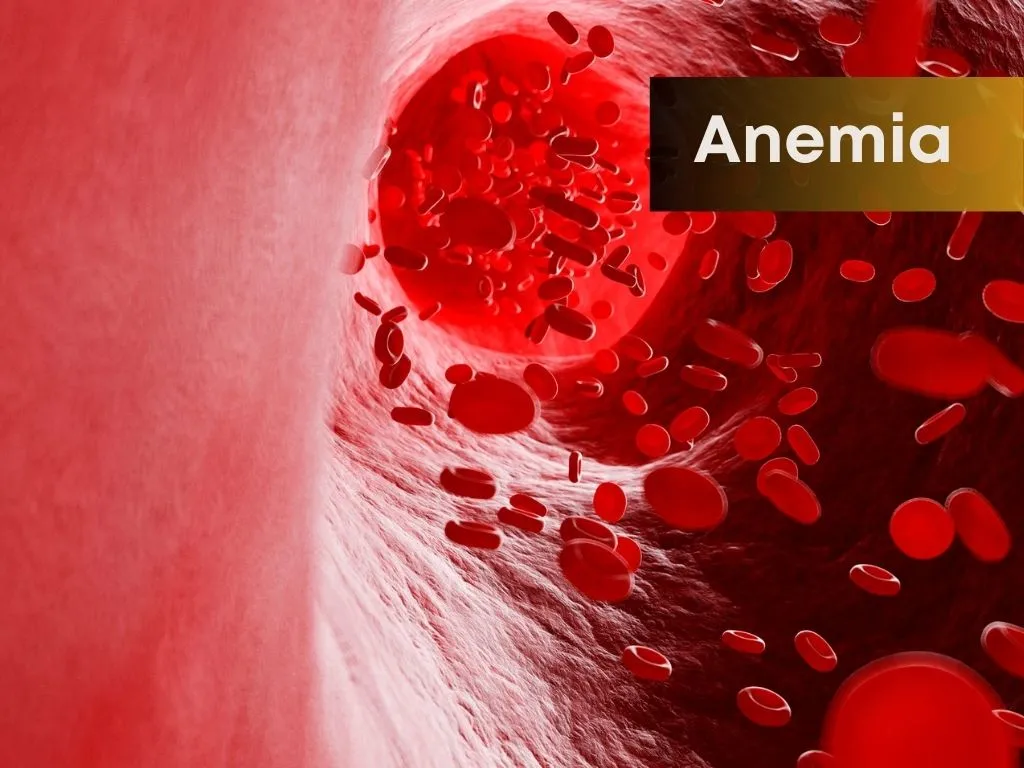
- Anemia and low platelet counts, which can cause easy bruising and bleeding
- Bone pain or fractures due to bone involvement
- Fatigue
- Delayed puberty
- Growth retardation in children
Type 2 Gaucher Disease:
- Severe neurological involvement, including brain damage
- Seizures
- Spasticity
- Eye movement disorders
- Respiratory problems
- Failure to thrive
Type 3 Gaucher Disease:
- Enlargement of the liver and spleen
- Anemia and low platelet counts
- Bone abnormalities and bone pain
- Neurological symptoms such as seizures, muscle rigidity, and eye movement disorders
- Delayed puberty and growth retardation in children
Treatment: Modern Medicine
Treatment: Traditional Medicine
Caution
Prevention
Nutritional Support:
- Patients with Gaucher disease require nutritional support for malnutrition, weight loss, and dietary deficiencies.
- Resulting from complications such as hepatosplenomegaly, impaired nutrient absorption, or reduced food intake due to symptoms like abdominal pain or early satiety.
- Dietary modifications, nutritional supplements, consultation to optimize nutritional status, health and wellbeing.

.jpg.webp)






.jpg.webp)