
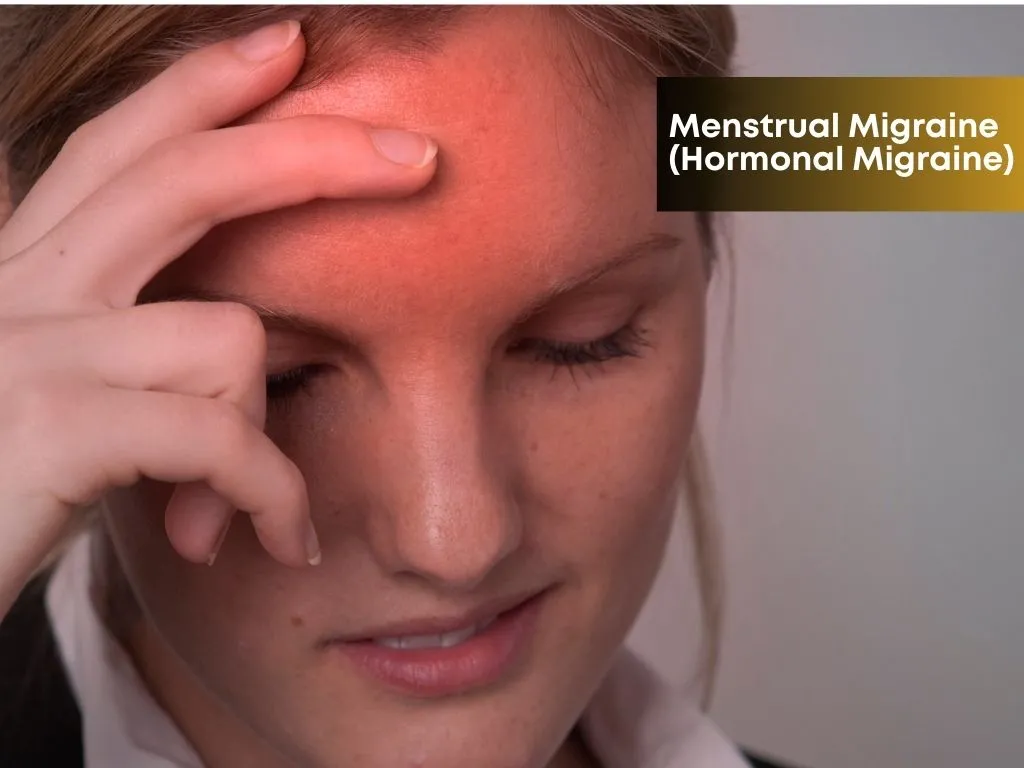
Menstrual Migraine (Hormonal Migraine)
-
 Nalamaree Team
- 22 September 2025
Overview
Affects about 60% of women with migraines. Often more intense than regular migraines and may be without aura.
Causes
- Estrogen drop before period
- Oral contraceptives or HRT
- Family history of migraines
- Stress, lack of sleep, skipping meals
Symptoms
- Throbbing one-sided headache
- Sensitivity to light/sound
- Nausea or vomiting
- Fatigue, mood changes
- Starts 1–2 days before period
Treatment: Modern Medicine
- Diagnosis: Based on menstrual history + headache diary
- Treatment:
- NSAIDs (Naproxen)
- Triptans (Sumatriptan, Rizatriptan)
- Hormonal therapy (continuous birth control to stabilize estrogen)
- Magnesium supplements (for prevention)
Treatment: Traditional Medicine
- Ayurveda: Brahmi, Shankhpushpi, Ashwagandha, Ginger tea
- Siddha: Sirasukku thylam, Karisalai legiyam
- Unani: Sharbat-e-Buzoori, Majoon-e-Keera
- TCM: Chuan Xiong, Tian Ma for liver-wind imbalance
- Homeopathy: Sepia, Natrum mur, Cyclamen
- Nutraceuticals: Magnesium glycinate, CoQ10, Riboflavin (B2), Omega-3
Caution
- Not all menstrual headaches are migraines—track symptoms
- Triptans are effective but should be used under guidance
Prevention
- Maintain regular sleep and meals
- Avoid known food triggers (e.g., chocolate, aged cheese)
- Supplement with magnesium before period (preventive)
.jpg.webp)














.jpg.webp)