Overview
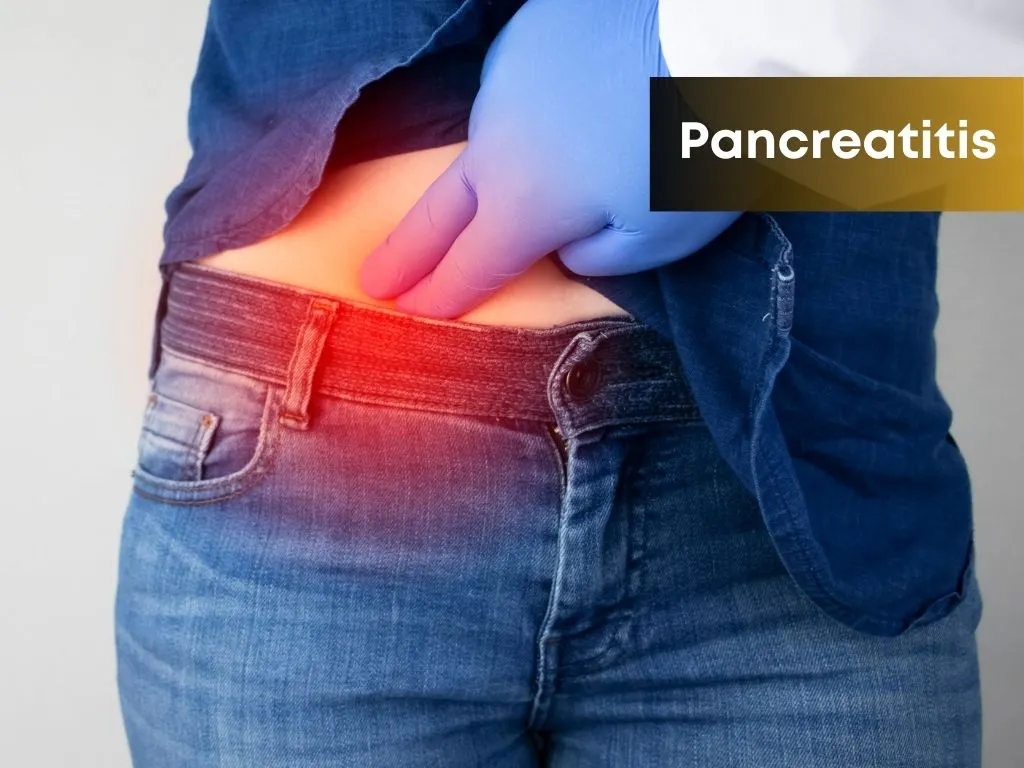
Pancreatitis is a condition characterized by inflammation of the pancreas, a gland located behind the stomach. The pancreas plays a crucial role in digestion by producing enzymes that help break down food and hormones that regulate blood sugar levels.
Pancreatitis can be acute or chronic:
Acute pancreatitisChronic pancreatitis
Causes
GallstonesExcessive alcohol consumptionTraumaCertain medicationsHigh levels of triglyceridesInfectionsAutoimmune conditionsGenetic factorsObstruction of the pancreatic ductSmoking
Symptoms
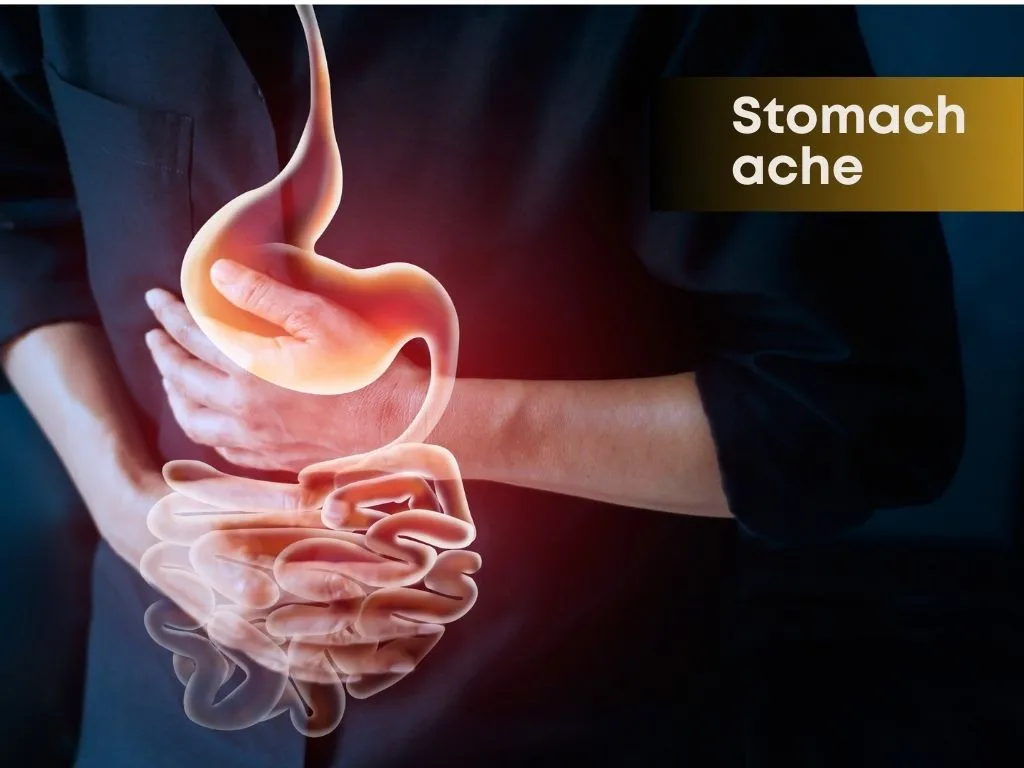
Severe abdominal painNausea and vomitingFever and chillsRapid pulseTenderness or swelling in the abdomenLoss of appetiteJaundiceChanges in bowel movementsBack painDifficulty breathing
Treatment: Modern Medicine
Pain Management:
AnalgesicsOpioid Medications
Pancreatic Enzyme Replacement Therapy (PERT):
Pancreatic Enzyme Supplements
Antibiotics:
Infectious Pancreatitis
Antiemetics:
Medications to Control Nausea and Vomiting
Gallstone Management:
ERCP and Gallstone Removal
Surgery:
Surgical Interventions
Treatment: Traditional Medicine
Herbal Remedies AcupunctureAyurvedaHomeopathy
Dietary Modifications:
Low-Fat DietSmall, Frequent Meals
Caution
Avoid Alcohol and SmokingTake Medications as PrescribedManage Underlying ConditionsSeek Prompt Medical Attention
Prevention
Quit SmokingLimit Medications that May Increase RiskPractice Safe Eating HabitsExercise RegularlyLimit Exposure to Environmental Toxins

 Nalamaree Team







.jpg.webp)