

Panic Disorder
-
 Nalamaree Team
- 22 September 2025
Overview
Panic attacks may occur unexpectedly or be triggered by specific situations. Many develop anticipatory anxiety, avoiding places where attacks occurred. Often begins in young adulthood.
Causes
- Genetics and brain chemistry
- Chronic stress or trauma
- Substance abuse
- Imbalance of neurotransmitters (e.g., serotonin, norepinephrine)
Symptoms
- Sudden intense fear lasting 10–30 minutes
- Racing heart, chest pain
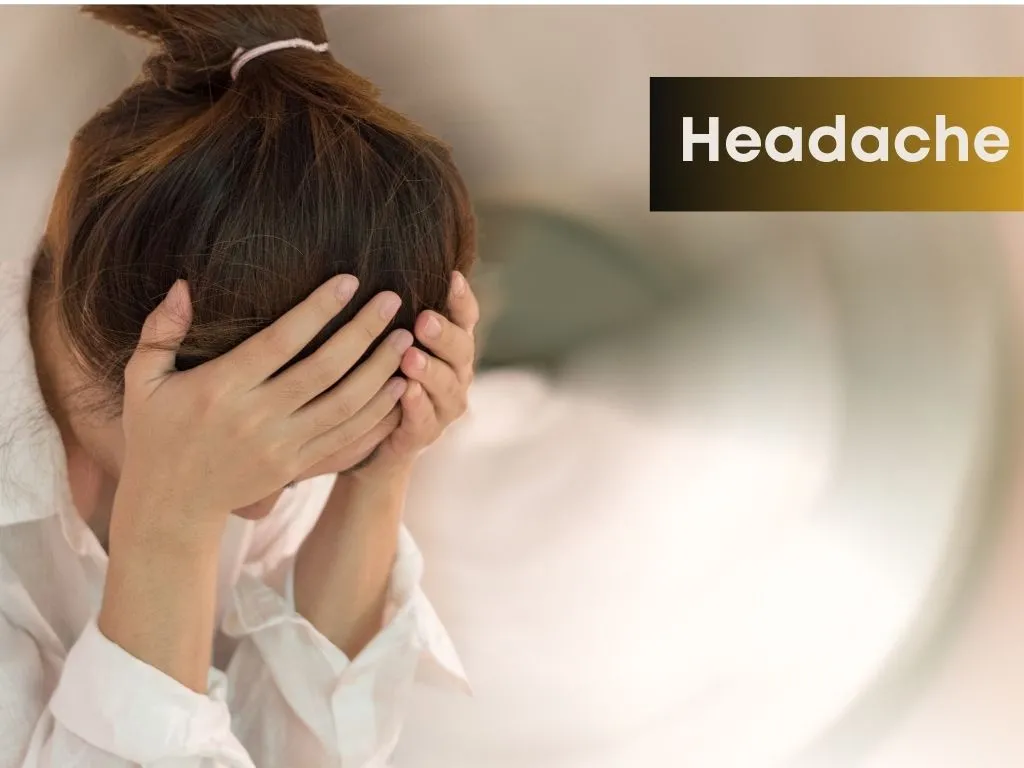
- Dizziness, shortness of breath
- Sweating, chills, or hot flashes
- Feeling of losing control or dying
Treatment: Modern Medicine
- Diagnosis: Clinical criteria (DSM-5), exclusion of cardiac causes
- Treatment:
- Cognitive Behavioral Therapy (CBT) – first-line
- SSRIs (e.g., Sertraline, Paroxetine), SNRIs
- Benzodiazepines (short-term)
- Breathing exercises and relaxation techniques
Treatment: Traditional Medicine
- Ayurveda: Ashwagandha, Brahmi, Jatamansi; Nasya therapy
- Siddha: Nervine tonics and meditation
- Unani: Khamira Abresham, Laooq Badam for mental calm
- TCM: Acupuncture, Suan Zao Ren Tang (sleep-anxiety formula)
- Homeopathy: Aconite, Argentum nitricum, Gelsemium
- Nutraceuticals: Magnesium, L-theanine, Omega-3, B-complex
Caution
- Avoid alcohol or caffeine, which can trigger attacks
- Sudden withdrawal of benzodiazepines can worsen symptoms
Prevention
- Regular exercise, yoga, and breathing practices
- Stress management and early psychological support
- Avoidance of stimulants and sleep disturbances


.jpg.webp)