
post-thumb

Sarcoma

Overview

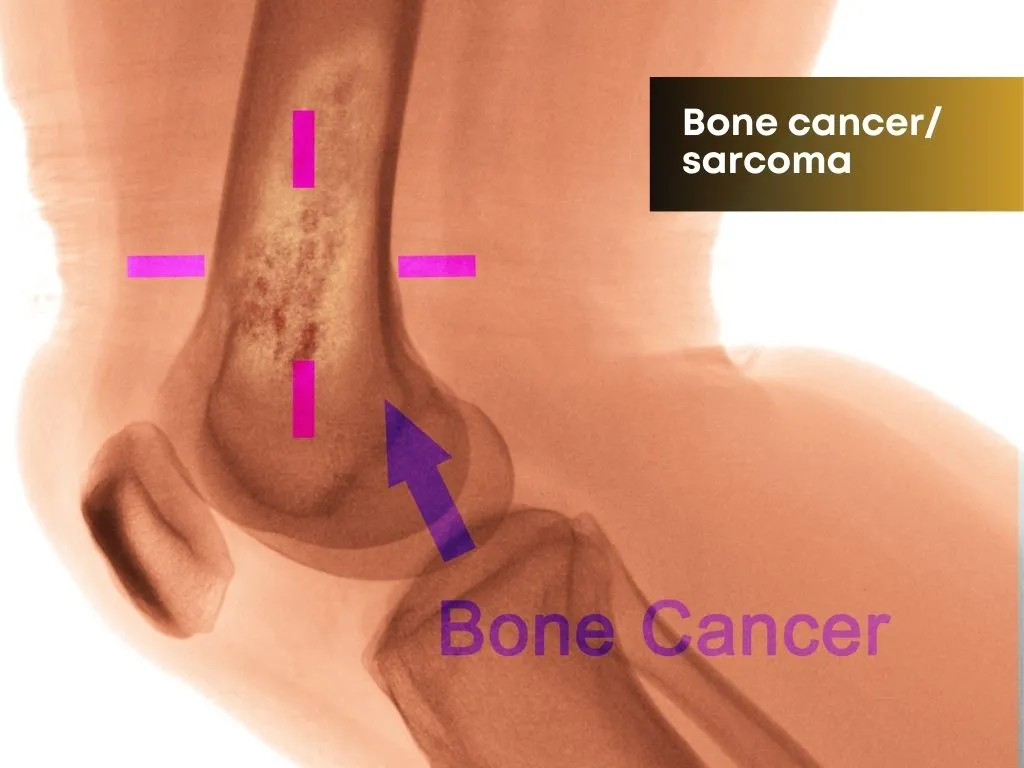
Sarcoma is a type of cancer that develops in the bones and soft tissues of the body, such as muscles, fat, tendons, and blood vessels. It can occur in any part of the body and can affect people of all ages. Sarcomas are divided into two main groups: bone sarcomas (which develop in the bone) and soft tissue sarcomas (which develop in soft tissues).

 Some examples of sarcoma subtypes include,

  • Osteosarcoma
  • Chondrosarcoma
  • Leiomyosarcoma.
  • Liposarcoma
  • Causes

     There are several ways in which sarcoma can develop and cause harm to a person:

  • Genetic Factors.
  • Environmental Factors
  • Soft Tissue Sarcoma
  • Bone Sarcoma
  • Metastasis
  • Symptoms

  • Lump or Mass
  • Swelling
  • Pain
  • Limited Range of Motion
  • Bone Pain
  • Fractures
  • Neurological Symptoms
  • Abdominal Symptoms
  • Breathing Difficulties
  • Treatment: Modern Medicine

    Here are the primary treatment methods for sarcoma:

  • Surgery
  • Radiation Therapy
  • Chemotherapy
  • Targeted Therapy
  • Immunotherapy
  • Treatment: Traditional Medicine

  • Acupuncture
  • Herbal remedies
  • Massage therapy
  • Mind-body practices
  • Caution

  • Early Detection
  • Multidisciplinary Care
  • Prevention

  • Minimizing exposure to radiation
  • Avoiding harmful environmental exposures

  • Related Diseases

    A fever is a temporary increase in body temperature, usually in response to an infection or illness. It is one of the body's natural defense mechanisms to fight off infections by making the body less hospitable to the pathogens.

    An ectopic pregnancy occurs when a fertilized egg implants outside the uterus, usually in the fallopian tube—a life-threatening condition requiring immediate care.

    Carcinoma is a type of cancer that starts in the cells that make up the skin or the tissue lining organs, such as the liver or kidneys.

    Disclaimer: The information provided on this platform is for informational and educational purposes only. It is not intended to substitute professional medical advice, diagnosis, or treatment. Individuals should always seek the guidance of a qualified healthcare professional, such as a physician, doctor, or nutritionist, before making any health-related decisions.

    Subscribe to our top stories.


    © 2025 Nalamaree. All rights reserved.