
post-thumb

Cataract

Overview

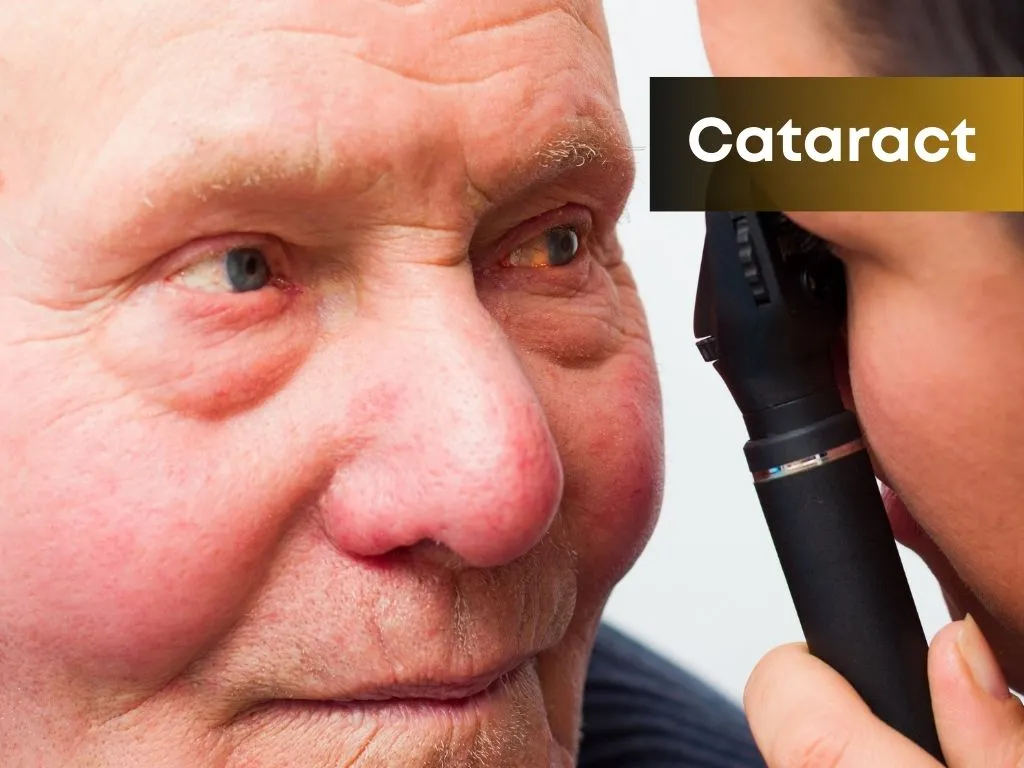
Cataract is a clouding of the lens in the eye that affects vision. The lens is a clear structure located behind the iris (the colored part of the eye) that helps to focus light onto the retina. When a cataract forms, it interferes with the passage of light through the lens, causing blurry vision, glare, decreased contrast sensitivity, and other visual disturbances.

Causes

  • Aging
  • Ultraviolet Radiation
  • Medical Condition
  • Trauma
  • Medications
  • Genetics
  • Smoking and Alcohol
  • Other Factors
  • Symptoms

    The symptoms of cataracts can vary depending on the size, location, and severity of the cataract. Common symptoms include:

  • Blurred Vision
  • Difficulty Seeing in Low Light
  • Glare Sensitivity
  • Halos Around Lights
  • Faded or Yellowish Vision
  • Double Vision
  • Frequent Changes in Glasses Prescription
  • Difficulty with Reading and Near Vision
  • Decreased Contrast Sensitivity
  • Treatment: Modern Medicine

    The primary treatment for cataracts is surgical removal. Cataract surgery is one of the most common and successful surgical procedures performed worldwide. Here's an overview of the treatment process:

  • Evaluation
  • Preoperative Preparation
  • Surgery
  • Recovery
  • Post-operative Care
  • Follow-up Visits
  • Treatment: Traditional Medicine

  • Dietary Changes
  • UV Protection
  • Avoiding Smoking and Excessive Alcohol Consumption
  • Eye Health Supplements
  • Herbal Remedies
  • Eye Exercises
  • Caution

  • Consult an Eye Care Professional
  • Avoid Self-diagnosis and Treatment
  • Protect Your Eyes
  • Prevention

  • Protect Your Eyes from UV Radiation
  • Quit Smoking
  • Maintain a Healthy Diet
  • Control Chronic Health Conditions
  • Limit Alcohol Consumption
  • Protect Your Eyes from Injury

  • Related Diseases

    A headache is a common health condition characterized by pain or discomfort in the head or neck region. It can vary in intensity, duration, and frequency.

    Bell's palsy is a condition characterized by sudden weakness or paralysis of the muscles on one side of the face. It's caused by damage to the facial nerve, which

    Hepatitis A is a highly contagious liver infection caused by the hepatitis A virus (HAV). It is usually transmitted through contaminated food or water or through

    Disclaimer: The information provided on this platform is for informational and educational purposes only. It is not intended to substitute professional medical advice, diagnosis, or treatment. Individuals should always seek the guidance of a qualified healthcare professional, such as a physician, doctor, or nutritionist, before making any health-related decisions.

    Subscribe to our top stories.


    © 2025 Nalamaree. All rights reserved.