Overview
Constipation is a common digestive issue characterized by difficulty in passing stools or infrequent bowel movements. It typically involves dry, hard stools that are difficult to pass. It's a common issue that can affect people of all ages, from infants to older adults.
Frequency of Bowel Movements: Stool Consistency
Causes
Constipation can be caused by various factors, including:
Low Fiber DietInadequate Fluid IntakeLack of Physical ActivityIgnoring the Urge to DefecateCertain Medications Medical ConditionsChanges in routine.AgePregnancyPsychological Factors
Symptoms
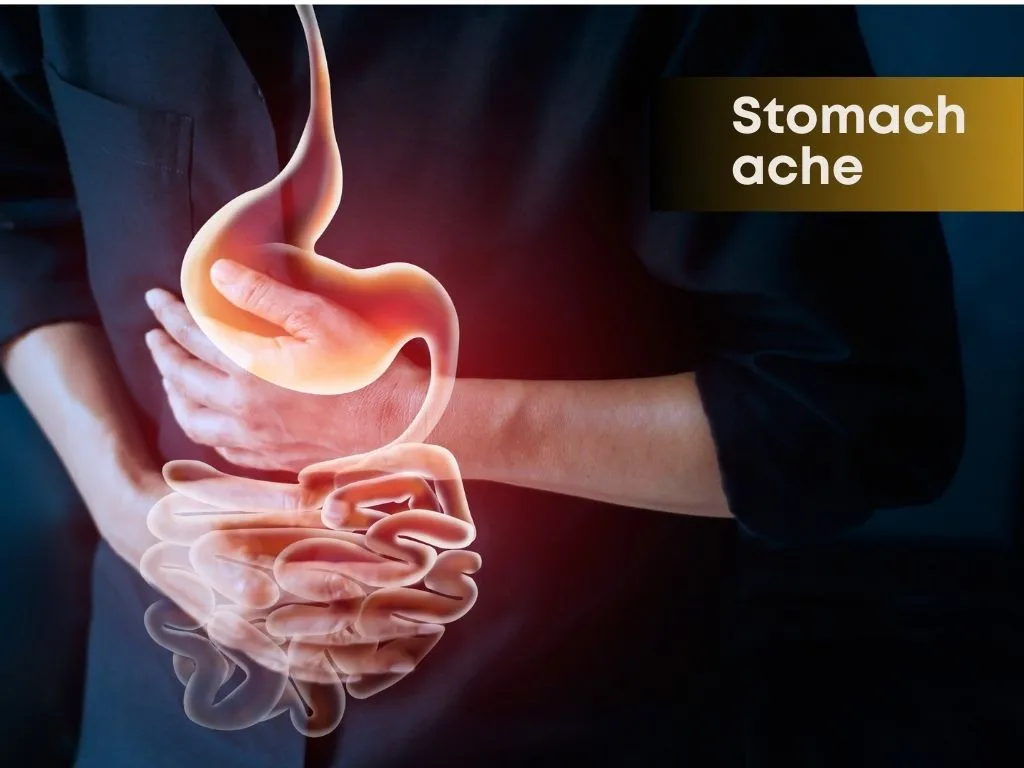
Infrequent Bowel MovementsDifficulty Passing StoolsStrainingFeeling of Incomplete EvacuationAbdominal Discomfort or Pain: Rectal BleedingNausea or Loss of AppetiteRectal Prolapse
Treatment: Modern Medicine
Prescription MedicationsBiofeedback TherapySurgeryLaxatives
Treatment: Traditional Medicine
Increase Fiber IntakePrune JuiceWarm LiquidsFlaxseedsAloe Vera JuiceMagnesium SupplementsCastor OilGinger
Caution
Change in Bowel HabitsAge ConsiderationsPresence of Other SymptomsMedication-Induced ConstipationAvoid Holding In Bowel MovementsLimit Alcohol and Caffeine
Prevention
Eat a High-Fiber DietStay HydratedExercise RegularlyEstablish Regular Toilet HabitsLimit Processed and Refined Carbohydrates food.Manage StressConsider ProbioticsUse Laxatives Sparingly


 Nalamaree Team








.jpg.webp)