
post-thumb

Dyslexia

Overview

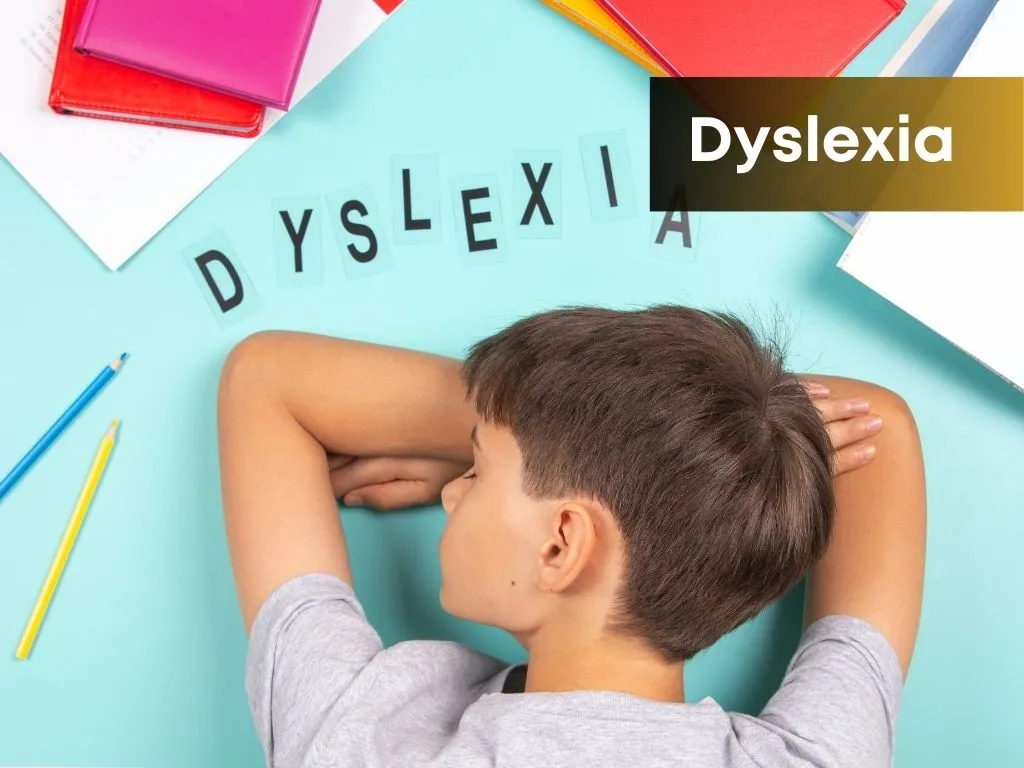
Dyslexia is a learning disorder characterized by difficulty with reading, spelling, and writing despite normal intelligence and adequate instruction.

It is a neurological condition that affects the way the brain processes written and sometimes spoken language.

People with dyslexia may have trouble recognizing words, understanding the relationship between letters and sounds, and decoding written language.

Causes

  • Genetic factors
  • Brain differences
  • Neurological differences
  • Environmental factors
  • Symptoms

  • Difficulty with phonological processing
  • Problems with decoding words
  • Poor spelling
  • Challenges with reading comprehension
  • Treatment: Modern Medicine

  • Structured literacy instruction
  • Orton-Gillingham (OG) approach
  • Phonological awareness training
  • Assistive technology
  • Accommodations and modifications
  • Individualized education plan (IEP) or 504 plan
  • Support from educators, tutors, and specialists
  • Treatment: Traditional Medicine

    While there are no specific "traditional" or "home remedies" that can cure dyslexia, there are some strategies and practices that may complement formal interventions and support the overall well-being of individuals with dyslexia. 

  • Reading aloud
  • Multisensory learning activities
  • Caution

  • Consult with professionals
  • Avoid pseudoscience
  • Individualized approach
  • Monitor progress
  • Prevention

  • Early identification and intervention
  • Quality education and instruction
  • Teacher training and professional development
  • Parent and caregiver involvement
  • Promoting positive attitudes and self-esteem

  • Related Diseases

    Glaucoma is a group of eye conditions that damage the optic nerve, which is crucial for good vision. This damage is often caused by abnormally high pressure in the eye.

    Systemic Lupus Erythematosus is a chronic autoimmune disease that can affect various organs and tissues in the body.

    Bell's palsy is a condition characterized by sudden weakness or paralysis of the muscles on one side of the face. It's caused by damage to the facial nerve, which

    Disclaimer: The information provided on this platform is for informational and educational purposes only. It is not intended to substitute professional medical advice, diagnosis, or treatment. Individuals should always seek the guidance of a qualified healthcare professional, such as a physician, doctor, or nutritionist, before making any health-related decisions.

    Subscribe to our top stories.


    © 2025 Nalamaree. All rights reserved.