
post-thumb

GERD

Overview

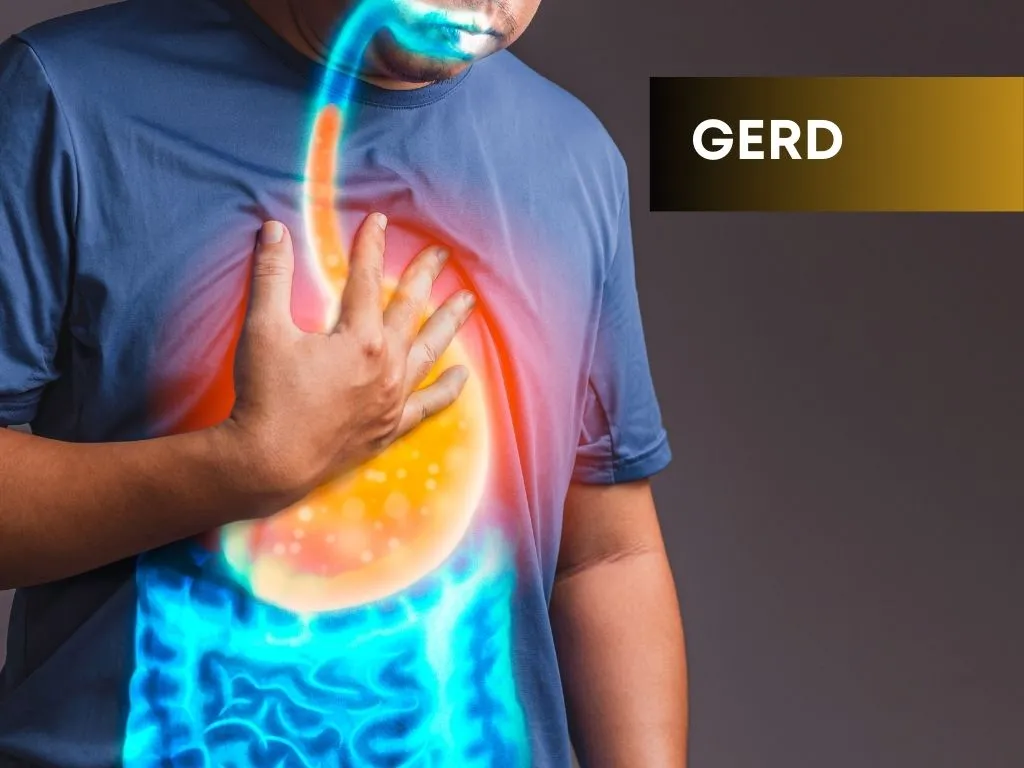
GERD stands for Gastroesophageal Reflux Disease. It's a chronic digestive disorder where stomach acid or bile flows back (refluxes) into the esophagus, causing irritation and inflammation.

The esophagus is the tube that carries food from your mouth to your stomach. 

Causes

GERD is typically caused by the weakening of the lower esophageal sphincter (LES), a ring of muscle that acts as a valve between the esophagus and the stomach.

When the LES weakens or relaxes abnormally, it allows stomach acid and/or bile to flow back into the esophagus, irritating its lining and causing the symptoms of GERD.

Several factors can contribute to the weakening of the LES and the development of GERD, including:

  • Hiatal hernia
  • Obesity
  • Certain foods and drinks
  • Smoking
  • Pregnancy
  • Certain medications
  • Genetics
  • Other medical conditions
  • Symptoms

  • Heartburn
  • Regurgitation
  • Difficulty swallowing (dysphagia)
  • Chronic cough
  • Hoarseness or sore throat
  • Laryngitis
  • Asthma or worsening asthma symptoms
  • Chest pain
  • Feeling of a lump in the throat: 
  • Treatment: Modern Medicine

    Medications:

  • Antacids
  • H2-receptor antagonists (H2 blockers)
  • Proton pump inhibitors (PPIs)
  • Prokinetics
  • Foam barriers or alginate medications
  • Surgical Intervention:

  • Fundoplication.
  • LINX device
  • Treatment: Traditional Medicine

    Herbal remedies:

  • Licorice
  • Ginger
  • Chamomile
  • Peppermint
  • Aloe vera
  • Apple cider vinegar
  • Baking soda
  • Chewing gum
  • Marshmallow root
  • Caution

  • Consult with a healthcare professional
  • Be aware of potential interactions
  • Monitor for adverse effects
  • Use caution with dietary supplements
  • Don't rely solely on home remedies
  • Address underlying causes
  • Prevention

    Lifestyle modifications:

  • Weight loss
  • Dietary changes
  • Elevating the head of the bed
  • Stress management
  • Eat smaller, more frequent meals
  • Quit smoking
  • Limit alcohol consumption

  • Related Diseases

    Cerebral palsy is a group of permanent movement disorders that appear in early childhood. It's caused by abnormal development or damage to the parts of the brain.

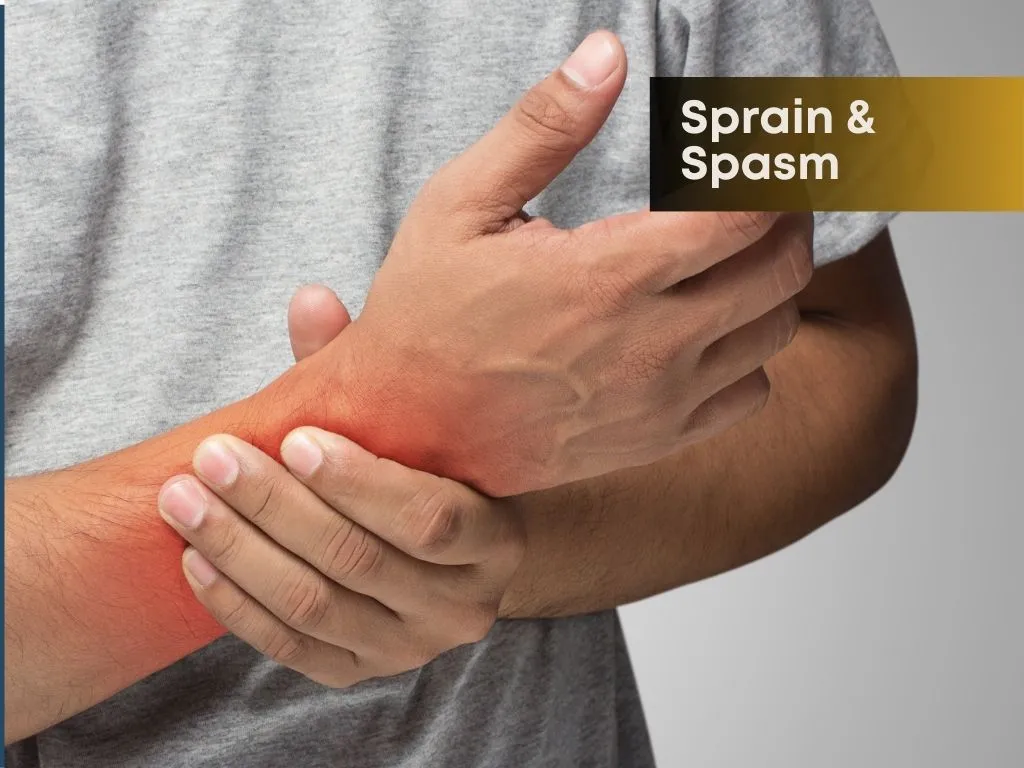
    A sprain and a spasm are two different medical conditions related to muscles and connective tissues, but they affect the body in distinct ways.

    Pulmonary edema is a condition caused by excess fluid accumulation in the lungs. This fluid buildup can impair the ability of the lungs to oxygenate blood properly, leading to symptoms such as shortness of breath.

    Disclaimer: The information provided on this platform is for informational and educational purposes only. It is not intended to substitute professional medical advice, diagnosis, or treatment. Individuals should always seek the guidance of a qualified healthcare professional, such as a physician, doctor, or nutritionist, before making any health-related decisions.

    Subscribe to our top stories.


    © 2025 Nalamaree. All rights reserved.