

post-thumb

Glaucoma

Overview

Glaucoma is a group of eye conditions that damage the optic nerve, which is essential for good vision. This damage is often caused by an abnormally high pressure in the eye, known as Intraocular Pressure .

There are several types of glaucoma, including:

  • Open-angle glaucoma
  • Angle-closure glaucoma
  • Normal-tension glaucoma
  • Congenital glaucoma
  • Causes

    Glaucoma can be caused by various factors, but the primary cause is usually an increase in intraocular pressure (IOP), which can damage the optic nerve. However, not all cases of glaucoma involve elevated IOP, and there are other contributing factors as well. Here are some causes and risk factors associated with glaucoma:

  • Increased Intraocular Pressure (IOP)
  • Age
  • Family History
  • Ethnicity
  • Medical Conditions
  • Eye Trauma
  • Use of Steroids
  • Other Eye Conditions
  • Symptoms

    The symptoms of glaucoma can include:

  • Gradual loss of peripheral vision
  • Tunnel vision
  • Blurred vision
  • Halos around lights
  • Severe eye pain
  • Headache
  • Nausea and vomiting (in acute angle-closure glaucoma)
  • Treatment: Modern Medicine

  • Eye drops are often the first line of treatment for glaucoma
  • Prostaglandin analogs 
  • Beta-blockers 
  • Alpha agonists 
  • Carbonic anhydrase inhibitors 
  • Oral Medications
  • Laser Therapy
  • Surgery
  • Minimally Invasive Glaucoma Surgery
  • Treatment: Traditional Medicine

  • Healthy Diet
  • Eye Exercises
  • Stress Reduction Techniques
  • Herbal Supplements
  • Caution

  • Lifestyle Factors
  • Eye Protection
  • Prevention

  • Eye Health Habits
  • Adequate Sleep
  • Regular Exercise

  • Related Diseases

    Eye strain from excessive screen use causes discomfort, dry eyes, and headaches. Common among computer/mobile users.

    Dyslexia is a learning disorder that affects reading, writing, and spelling skills. It's neurologically based and typically manifests as difficulties with phonological

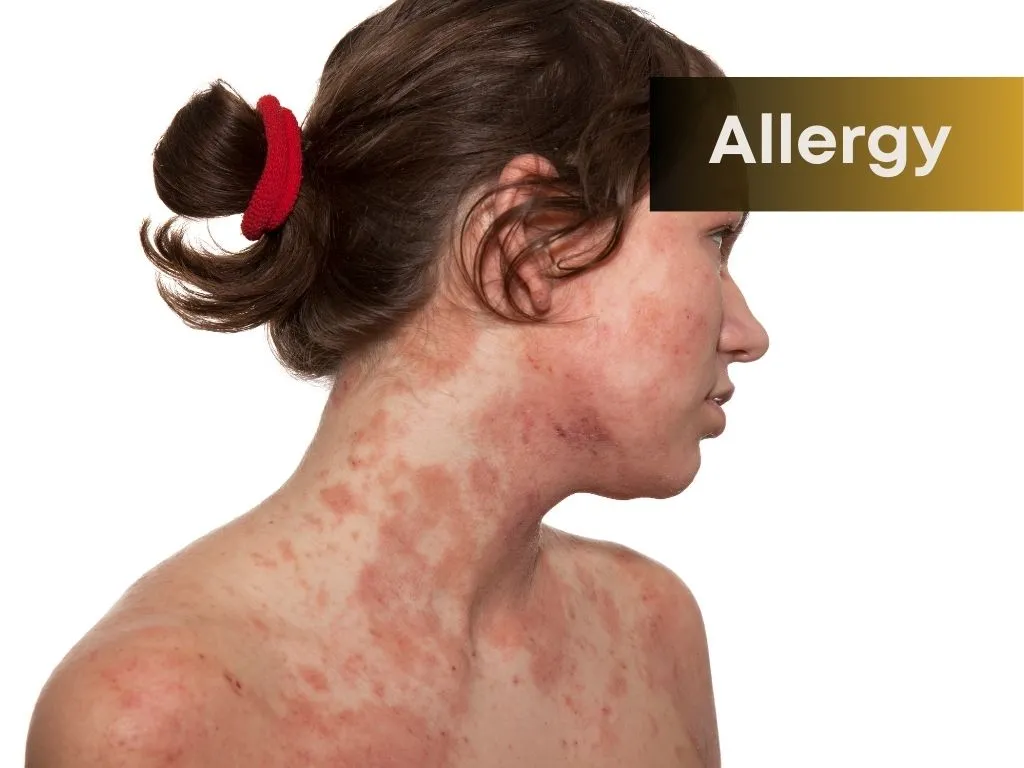
    An allergy is an abnormal immune system response to a substance that is typically harmless to most people. This substance, called an allergen, can trigger the body's immune system to produce antibodies, leading .

    Disclaimer: The information provided on this platform is for informational and educational purposes only. It is not intended to substitute professional medical advice, diagnosis, or treatment. Individuals should always seek the guidance of a qualified healthcare professional, such as a physician, doctor, or nutritionist, before making any health-related decisions.

    Subscribe to our top stories.


    © 2025 Nalamaree. All rights reserved.