
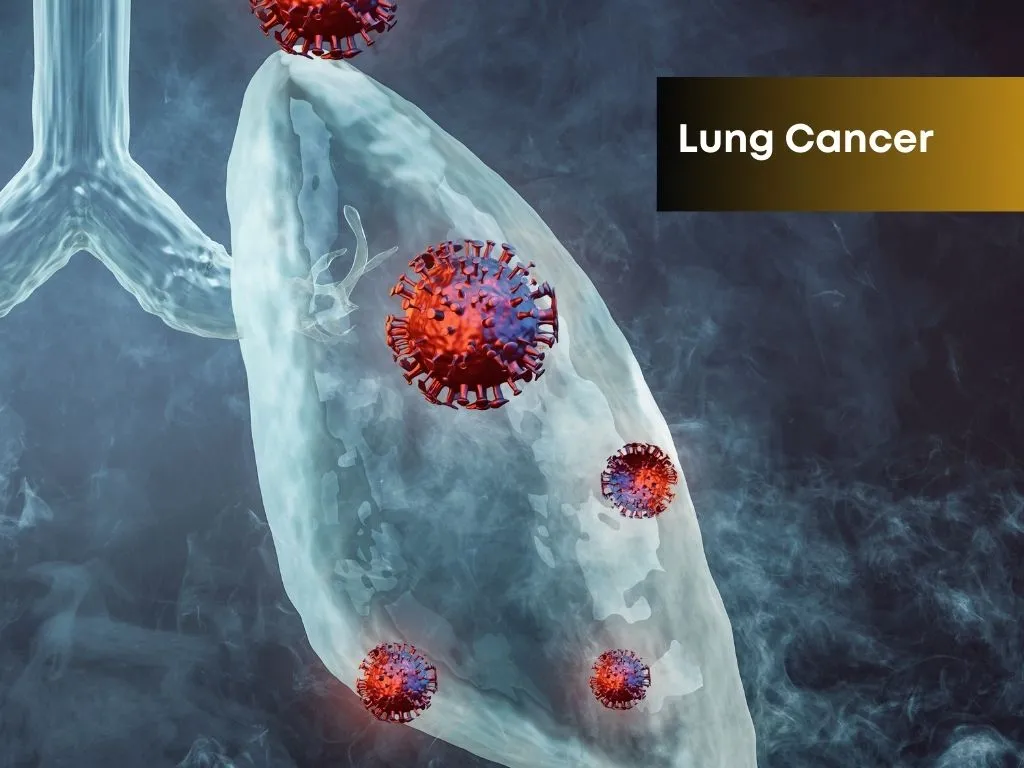
Lung Cancer
-
 Nalamaree Team
- 22 September 2025
Overview
Two main types: Non-Small Cell Lung Cancer (NSCLC) (85%) and Small Cell Lung Cancer (SCLC) (15%). Early detection improves survival, but many cases are diagnosed late.
Causes
- Smoking (main cause)
- Second-hand smoke
- Air pollution, asbestos, radon gas
- Family history
- Long-term lung disease (COPD)
Symptoms
- Persistent cough or change in cough
- Chest pain, wheezing
- Coughing up blood
- Weight loss, fatigue
- Recurrent infections
Treatment: Modern Medicine
- Diagnosis: Chest X-ray, CT scan, bronchoscopy, biopsy
- Treatment:
- Surgery (if localized)
- Chemotherapy and radiotherapy
- Targeted therapy (e.g., EGFR, ALK inhibitors)
- Immunotherapy (PD-L1 inhibitors like Nivolumab)
Treatment: Traditional Medicine
- Ayurveda: Tulsi, Vasaka, Haridra for lung function
- Siddha: Herbal decoctions and Thylams for respiratory support
- Unani: Lung-clearing herbs like Khatmi, Aslussoos
- TCM: Cordyceps, Lingzhi mushroom, Astragalus – immune and lung support
- Homeopathy: Carbo veg, Phosphorus (under expert care)
- Nutraceuticals: Curcumin, Selenium, Vitamin D3, NAC (N-acetyl cysteine)
Caution
- Do not delay medical evaluation for chronic cough
- Avoid self-treatment without diagnosis
- Monitor therapy side effects regularly
Prevention
- Quit smoking, avoid air pollution
- Radon testing at home (in high-risk areas)
- Regular screening for high-risk individuals







.jpg.webp)