Overview
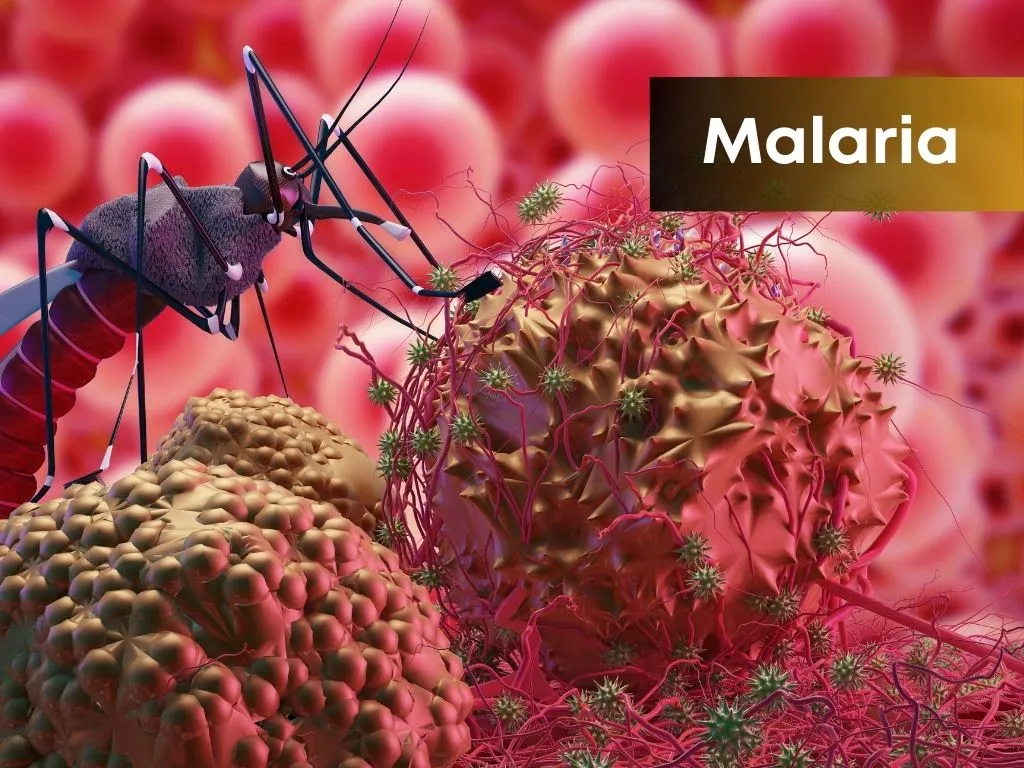
Malaria is a potentially deadly infectious disease caused by parasites of the Plasmodium genus. It is transmitted to humans through the bite of infected female Anopheles mosquitoes. There are several species of Plasmodium parasites, but the most common ones that cause malaria in humans are Plasmodium falciparum, Plasmodium vivax, Plasmodium malariae, and Plasmodium ovale.
Causes
Mosquito BiteParasite EntryBloodstream InvasionRed Blood Cell InfectionMosquito InfectionMosquito Reproduction
Symptoms
The typical symptoms of malaria include:
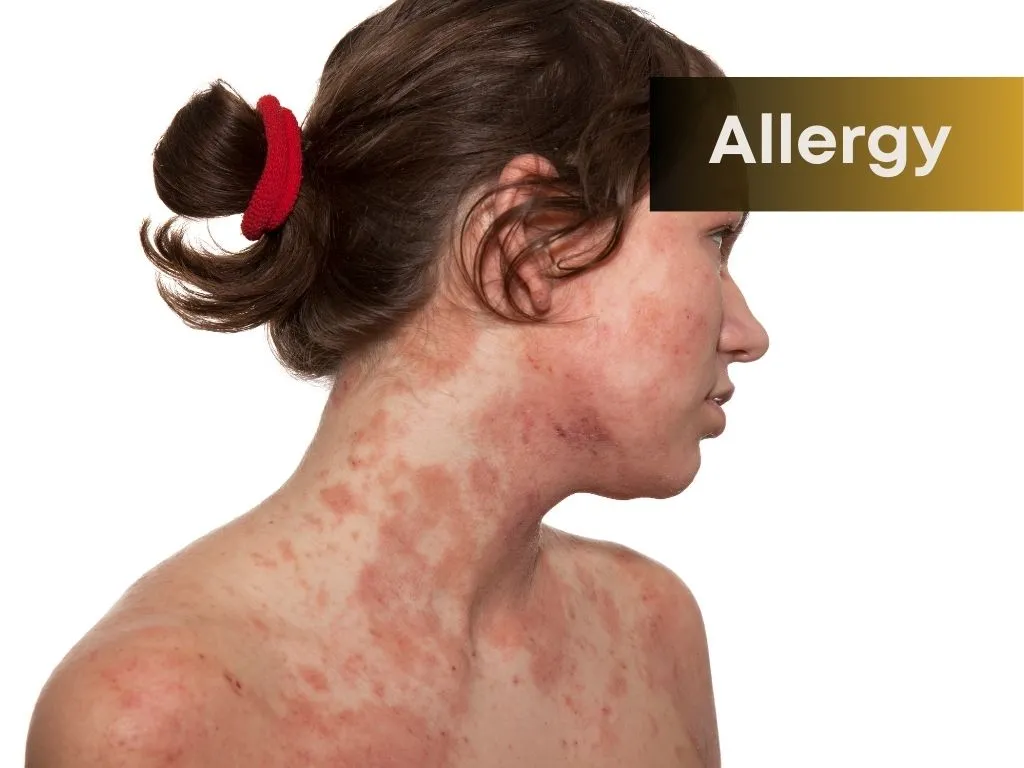
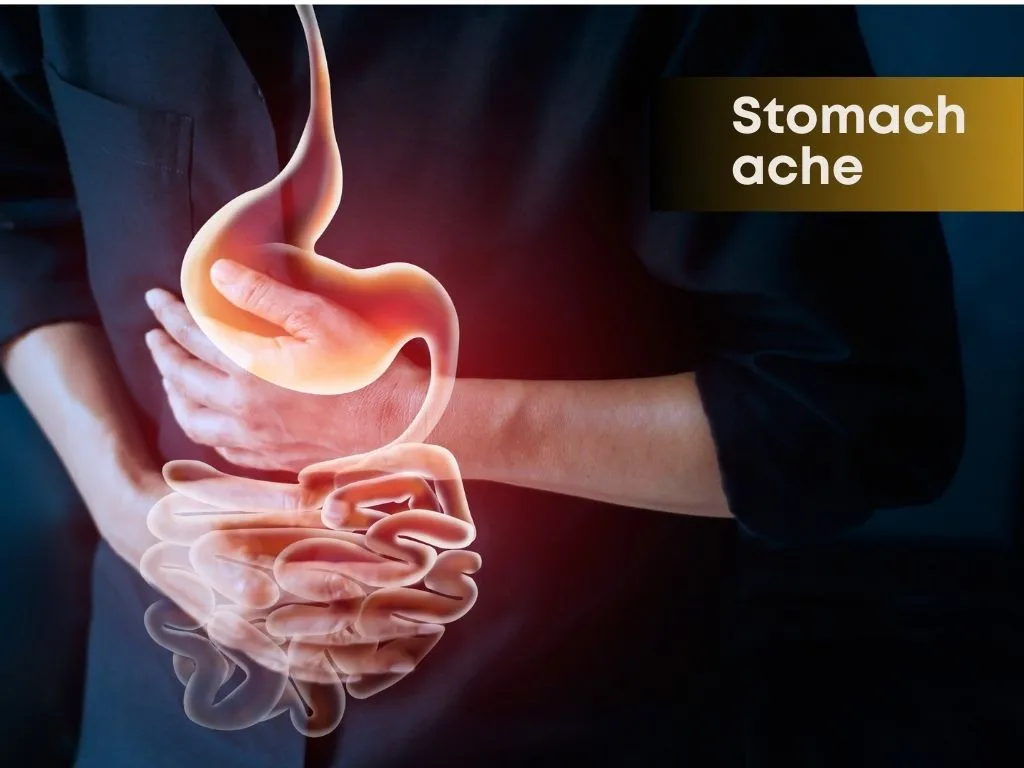
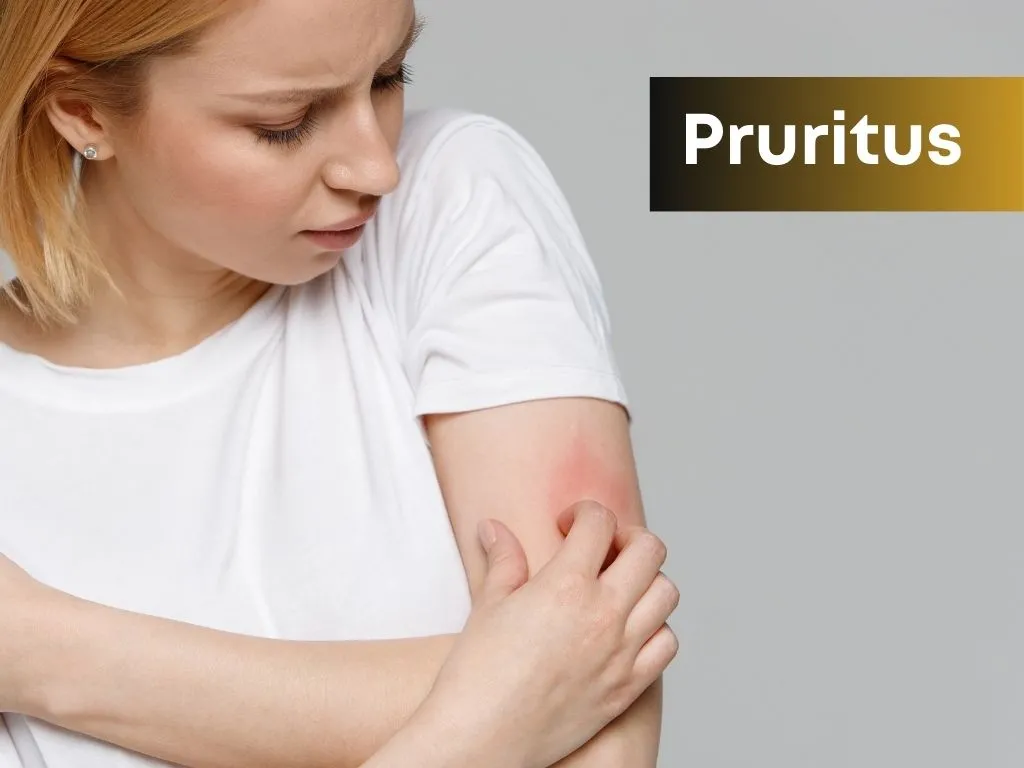
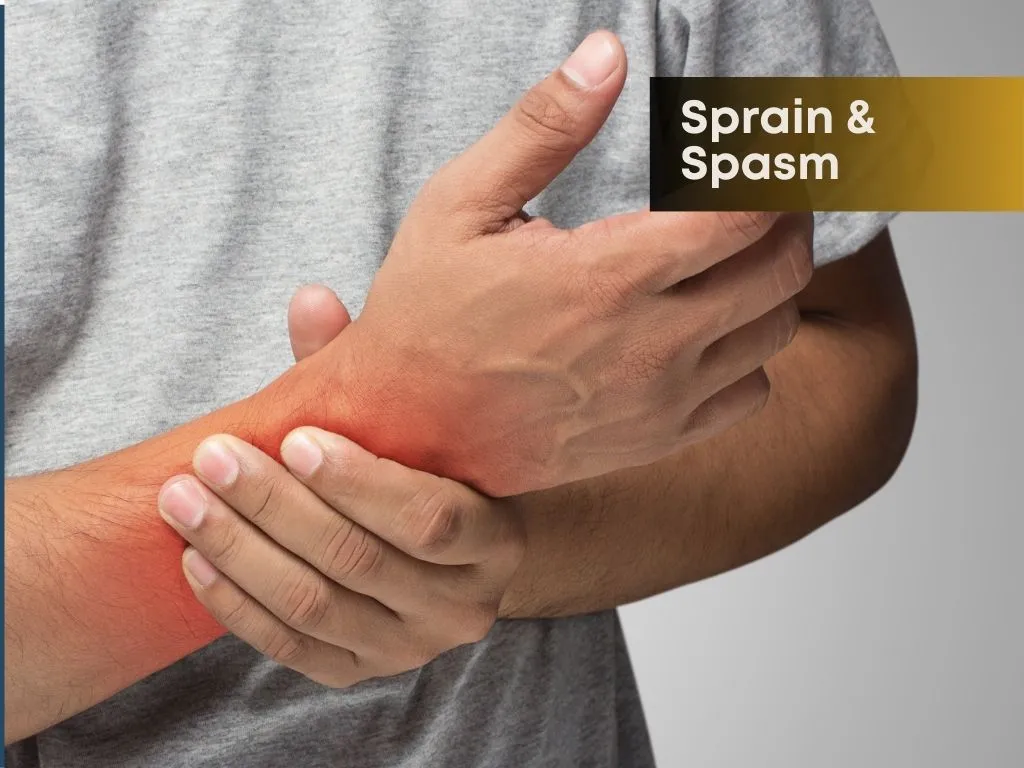
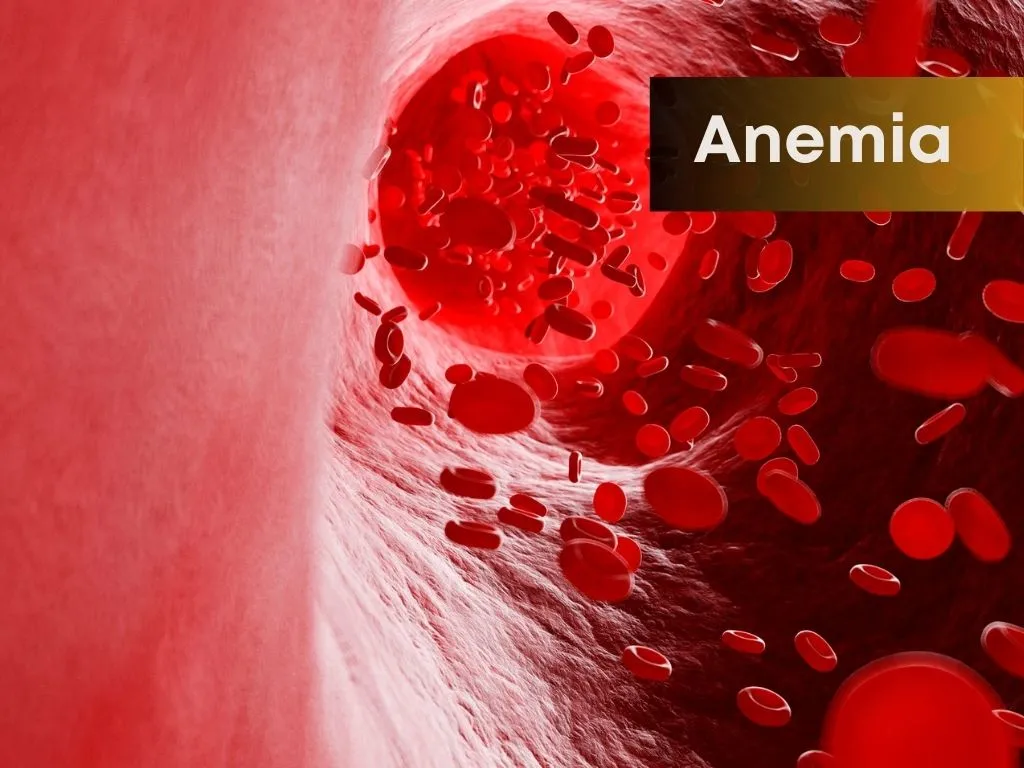
FeverChillsSweatingHeadacheMuscle achesFatigueNausea and vomitingAbdominal painJaundiceAnemia
Treatment: Modern Medicine
Artemisinin-based Combination Therapies (ACTs)Antimalarials
Treatment: Traditional Medicine
Herbal RemediesHerbal TeasHydration and RestMaintaining Body TemperatureNutrition
Caution
Not a Replacement for Medical TreatmentLimited Scientific EvidencePotential Risks and Side EffectsQuality and Purity:
Prevention
Use Insecticide-Treated Bed Nets (ITNs)Indoor Residual Spraying (IRS)Wear Protective ClothingApply Insect RepellentsTake Antimalarial Medications (Chemoprophylaxis)Stay in Accommodations with Screened Windows and DoorsAvoid Outdoor Activities During Peak Mosquito HoursRemove Standing Water

 Nalamaree Team




.jpg.webp)