
post-thumb

Peptic ulcer

Overview

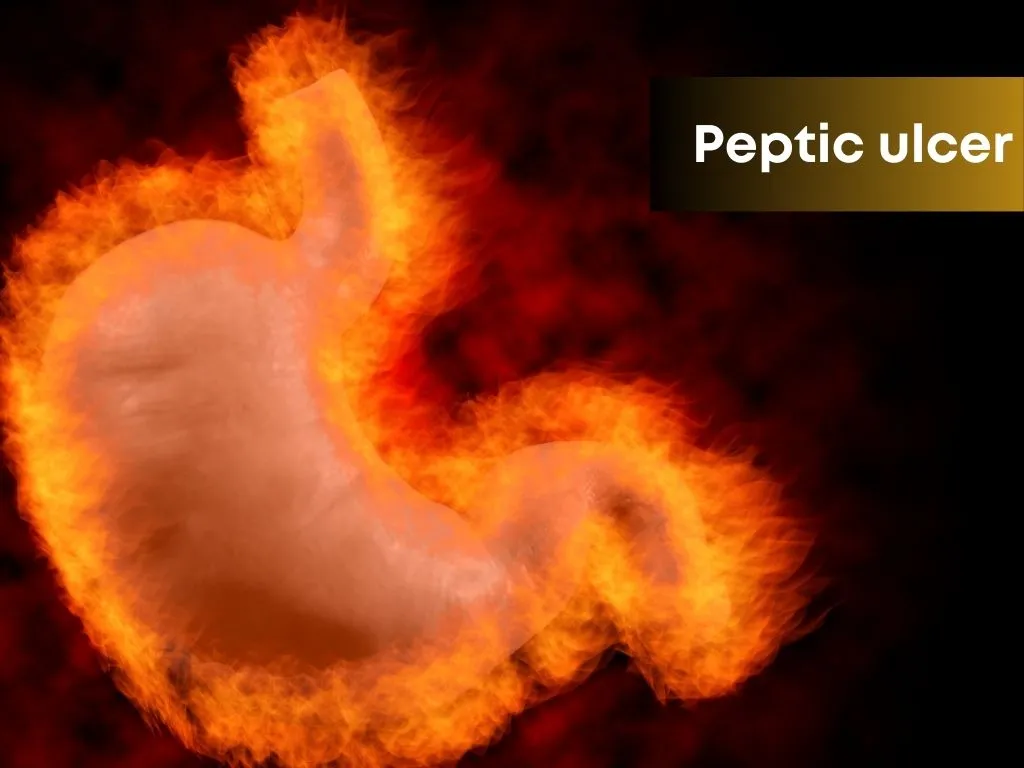
A peptic ulcer is a sore or lesion that forms on the lining of the stomach (gastric ulcer), the first part of the small intestine (duodenal ulcer), or sometimes in the esophagus.

These ulcers develop when the protective lining of the stomach or duodenum is damaged, allowing stomach acid and digestive juices to irritate the sensitive tissues underneath.

Causes

The primary causes of peptic ulcers are:

  • Helicobacter pylori (H. pylori) infection
  • Nonsteroidal anti-inflammatory drugs (NSAIDs)
  • Other factors that can contribute to the development of peptic ulcers include:

  • Excessive alcohol consumption
  • Smoking
  • Stress
  • Other medical conditions.
  • Symptoms

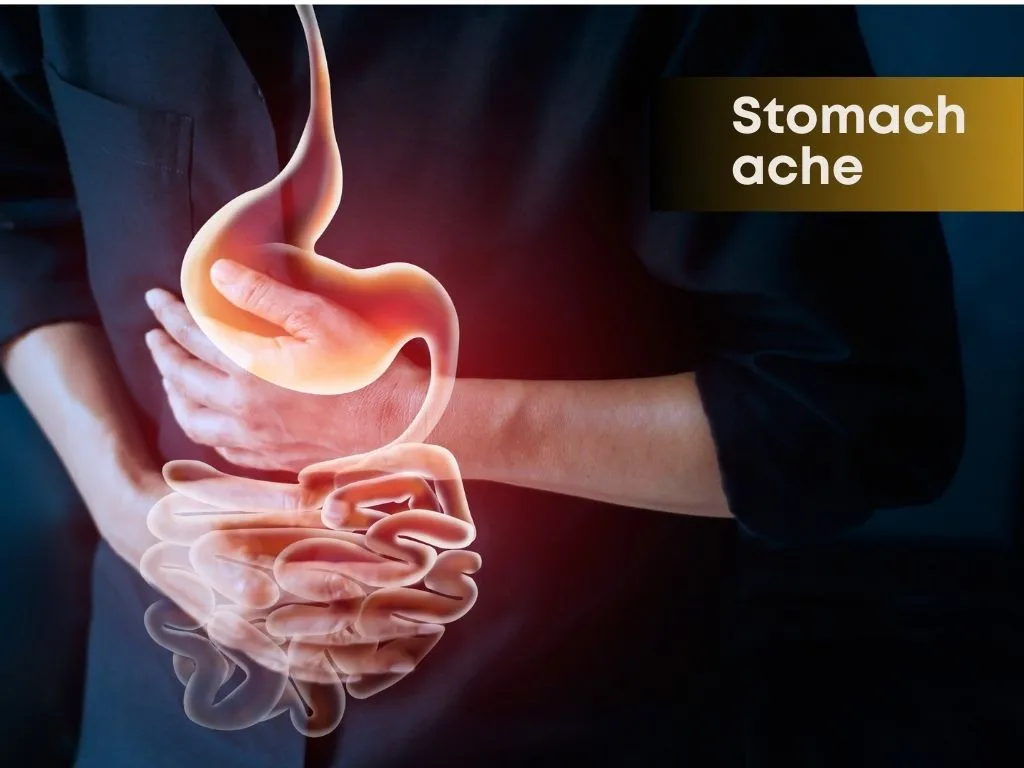
  • Abdominal Pain
  • Nausea and Vomiting
  • Bloating
  • Indigestion
  • Loss of Appetite
  • Heartburn
  • Weight Loss
  • Dark, Tarry Stools
  • Vomiting Blood
  • Treatment: Modern Medicine

  • Proton Pump Inhibitors (PPIs)
  • H2-Receptor Antagonists
  • Antibiotics
  • Antacids
  • Cytoprotective Agents
  • Treatment: Traditional Medicine

  • Dietary Modifications
  • Probiotics
  • Aloe Vera
  • Marshmallow Root
  • Licorice
  • Slippery Elm
  • Cabbage Juice
  • Caution

  • Potential Side Effects
  • Quality and Safety of Products
  • Dosage and Administration
  • Prevention

  • Avoid NSAIDs
  • Treat H. pylori Infection
  • Limit Alcohol Consumption.
  • Quit Smoking
  • Limit Stress on the Abdomen

  • Related Diseases

    Pharyngitis is inflammation of the pharynx, typically presenting as a sore throat, especially during colds or infections. It may be viral or bacterial (e.g., streptococcal).

    Down syndrome is a genetic disorder caused by the presence of an extra copy of chromosome 21. It is typically associated with physical growth delays, characteristic

    An ectopic pregnancy occurs when a fertilized egg implants outside the uterus, usually in the fallopian tube—a life-threatening condition requiring immediate care.

    Disclaimer: The information provided on this platform is for informational and educational purposes only. It is not intended to substitute professional medical advice, diagnosis, or treatment. Individuals should always seek the guidance of a qualified healthcare professional, such as a physician, doctor, or nutritionist, before making any health-related decisions.

    Subscribe to our top stories.


    © 2025 Nalamaree. All rights reserved.