Overview
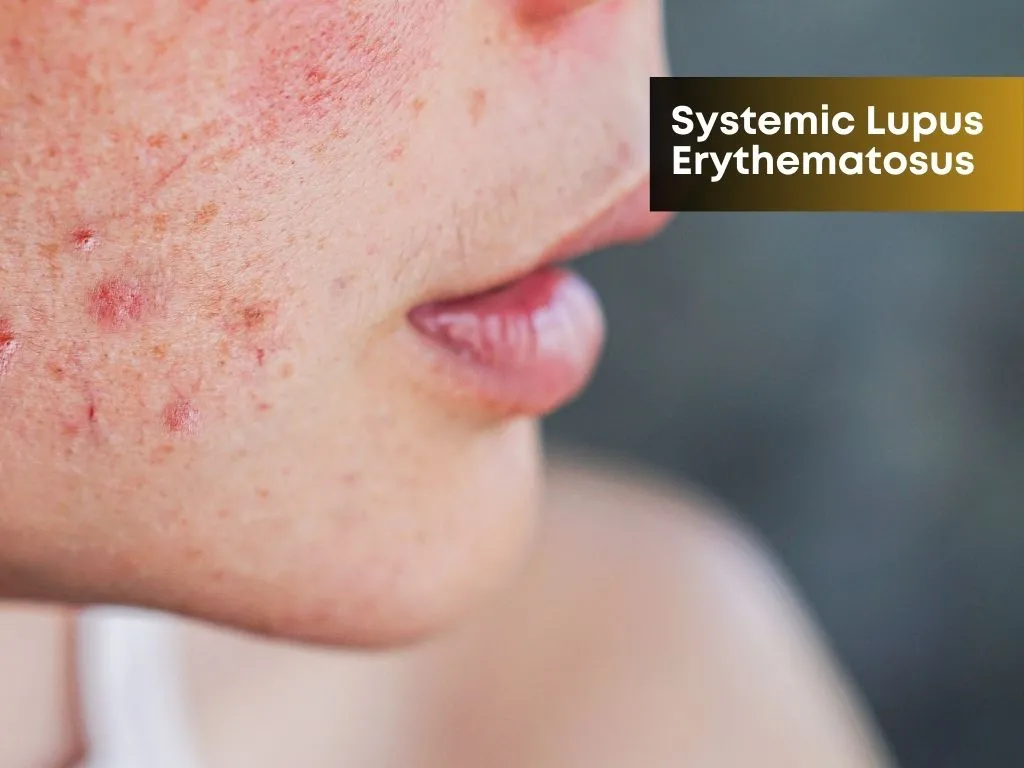
Systemic Lupus Erythematosus, commonly referred to as lupus, is an autoimmune disease where the immune system mistakenly attacks healthy tissues in various parts of the body. This can lead to inflammation and damage to different organs, such as the skin, joints, kidneys, heart, lungs, brain, and blood vessels.
Causes
Immune System DysfunctionGenetic FactorsEnvironmental TriggersHormonal Factors
Symptoms
Common symptoms of lupus include:
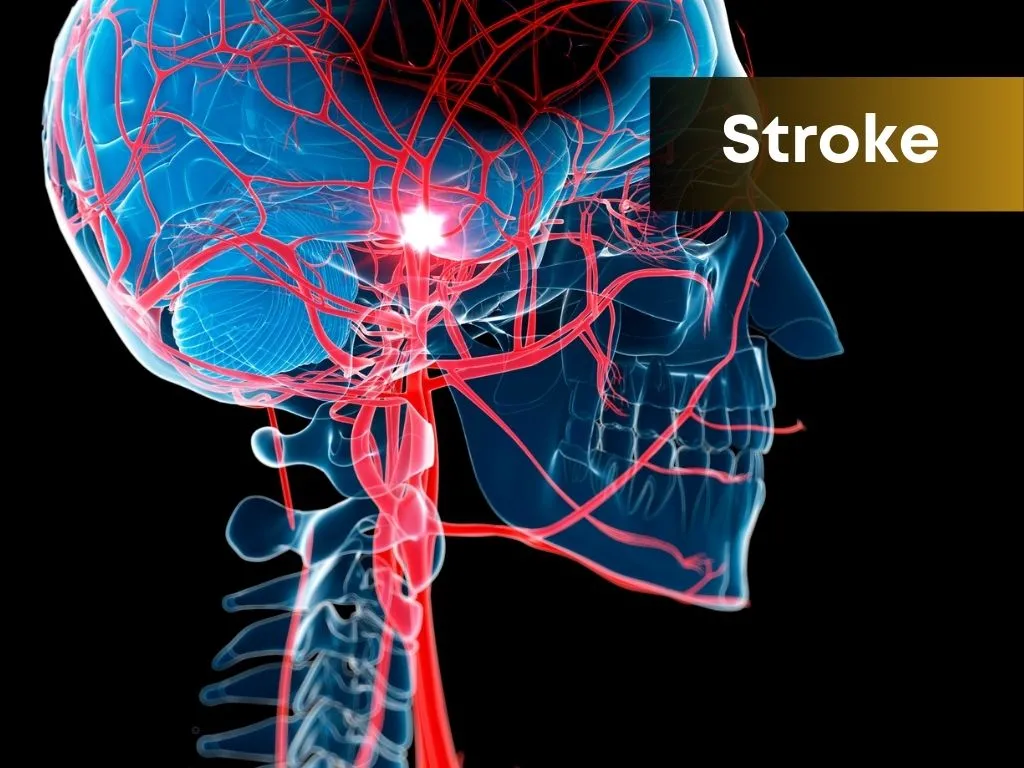
FatigueJoint Pain and SwellingSkin RashesFeverPhotosensitivityOral and Nasal UlcersRaynaud's PhenomenonHair LossChest PainShortness of BreathKidney ProblemsNeurological SymptomsGastrointestinal Symptoms
Treatment: Modern Medicine
Here are some common treatment methods used in modern medicine for lupus:
Nonsteroidal Anti-Inflammatory Drugs (NSAIDs)Antimalarial DrugsCorticosteroidsImmunosuppressant MedicationsBiologic TherapiesTreatments
Treatment: Traditional Medicine
Dietary ModificationsOmega-3 Fatty AcidsTurmericGingerGreen TeaHeat and Cold Therapy
Caution
Monitor for Side EffectsUse ModerationComplementary, Not AlternativeMonitor Disease Activity
Prevention
Maintain a Healthy LifestyleSun ProtectionManage StressLimit Exposure to Environmental TriggersMonitor Hormonal ChangesKnow Your Family History

 Nalamaree Team













.jpg.webp)