
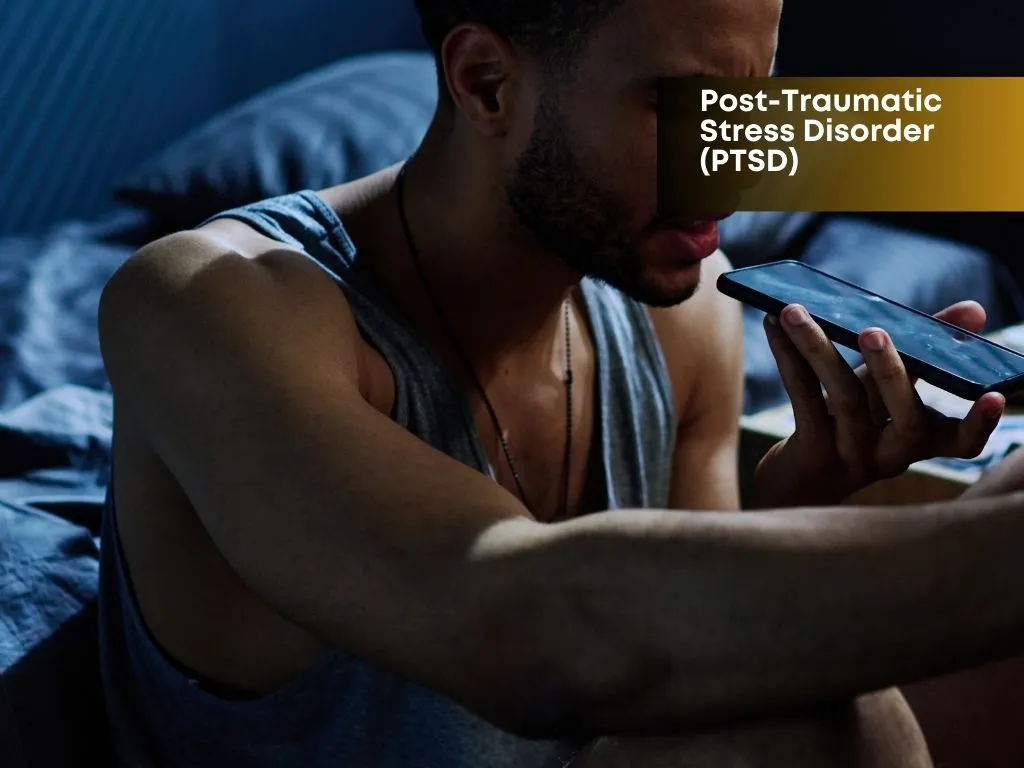
Post-Traumatic Stress Disorder (PTSD)
-
 Nalamaree Team
- 22 September 2025
Overview
PTSD affects thoughts, emotions, and behaviors. Symptoms may appear weeks or months after the trauma and may persist for years if untreated.
Causes
- Military combat, physical/sexual assault
- Natural disasters, accidents
- Childhood abuse or neglect
- Imbalance in stress hormone regulation (e.g., cortisol)
Symptoms
- Flashbacks, nightmares
- Avoidance of reminders
- Hypervigilance, irritability
- Guilt, depression, emotional numbness
- Insomnia or poor concentration
Treatment: Modern Medicine
- Diagnosis: Clinical assessment (DSM-5), psychological screening
- Treatment:
- Trauma-Focused CBT, EMDR (Eye Movement Desensitization)
- SSRIs (e.g., Fluoxetine, Sertraline), SNRIs
- Alpha-blockers (Prazosin) for nightmares
- Group and family therapy
Treatment: Traditional Medicine
- Ayurveda: Tagara, Mandukaparni, Shankhpushpi; Shirodhara for calming the nervous system
- Siddha: Herbal nervines and oil therapies
- Unani: Strengthening the heart and brain via Khamira, Majoon Jograj Guggal
- TCM: Gan Mai Da Zao Tang, acupuncture for stress relief
- Homeopathy: Stramonium, Natrum muriaticum, Ignatia
- Nutraceuticals: Omega-3, Magnesium, Zinc, L-tryptophan
Caution
- Do not suppress symptoms or self-medicate with alcohol
- PTSD is treatable with professional care—do not delay support
Prevention
- Early psychological intervention after trauma
- Mindfulness and trauma-sensitive yoga
- Strong social and family support





.jpg.webp)